









Most education apps that shut down in their first year weren't killed by bad code. They were killed by a founder who built the wrong thing well.
Common education app development mistakes rarely show up in a demo. They show up months later, when the district that seemed interested in the fall never signs a contract, or when the feature list from the pitch deck outgrew the one thing that actually helped a student learn.
Education App Development Mistakes That Start Before Code Ships
Ben Yoskovitz, an investor who writes the newsletter Focused Chaos, defines an MVP as the smallest version of a product that proves you solved somebody's real problem: something narrower than the feature list most founders ship first.
Skip that proof and you're guessing at scale. Yoskovitz points out that AI tools now let a team build fast enough to skip user interviews entirely, and speed doesn't make the guess any safer. A polished onboarding flow for a problem nobody has just fails more efficiently.
DigitalDefynd's review of edtech startup mistakes found the same failure under a different name. Teams build without talking to teachers first, then discover a platform that looked strong in a demo doesn't fit the technology a real classroom has.
An app that assumes fast wifi and a laptop per student loses to one built around what the district can actually run.
We build apps and SaaS products for education clients, and the founders who talk to teachers before writing a spec are consistently the ones who ship something people keep using.
Building for a Classroom That Doesn't Exist
Two mistakes tend to show up once the build actually starts. DigitalDefynd calls out interfaces designed for adults, not for the people who'll actually use them: a settings-heavy app buried in menus loses non-technical students, teachers, and parents fast.
That's a UI/UX problem before it's an engineering one, and it's far cheaper to fix before a district has rolled the app out to a full building than after.
The second is treating scale as somebody else's problem. A platform built for a single pilot classroom breaks once it has to run across a district, because nobody planned for cloud infrastructure or modular content delivery from the start.
Fixing that later usually means rebuilding the parts that were never designed to grow.
Missing the Window Schools Actually Buy In

Photo by Jan van der Wolf on Pexels
School budgets don't behave like consumer signups. NationGraph's analysis of more than 7,000 Chromebook purchase orders across 800-plus districts found spending is brutally seasonal.
| Budget phase | Typical window | What's happening |
|---|---|---|
| Planning | Nov to Jan | Administrators draft requests; buying activity is lowest |
| Approval | Feb to Apr | Boards review proposals; average deal size starts climbing |
| Execution | May to Aug | Districts spend down approved budgets before fiscal year-end |
July purchase orders in that data set averaged nearly 14 times the size of a typical month's order. Pitch a district in September with a fall launch plan, and you're not early. You're twelve months early, waiting for the next approval window to open.
Data handling belongs in that same planning conversation, not after a district's legal team asks about it. DigitalDefynd flags student data mishandled under FERPA as a separate, later failure: a startup with no compliance budget can face legal exposure a five-person team never priced in.
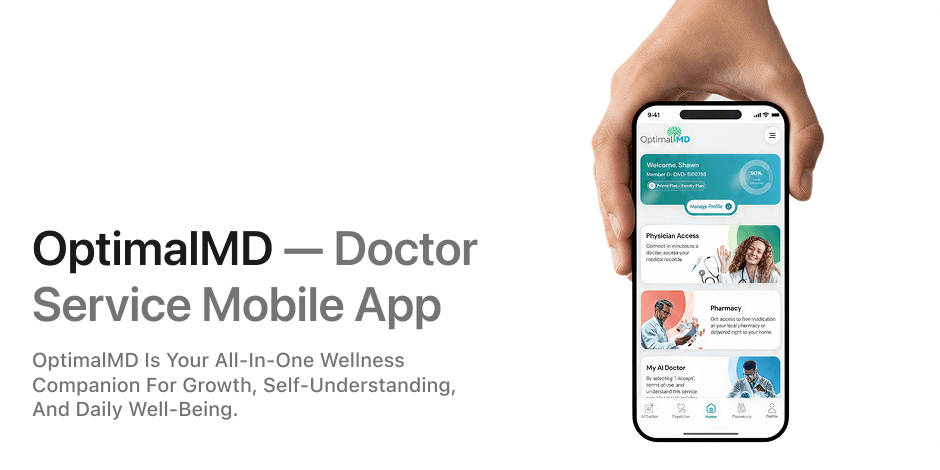
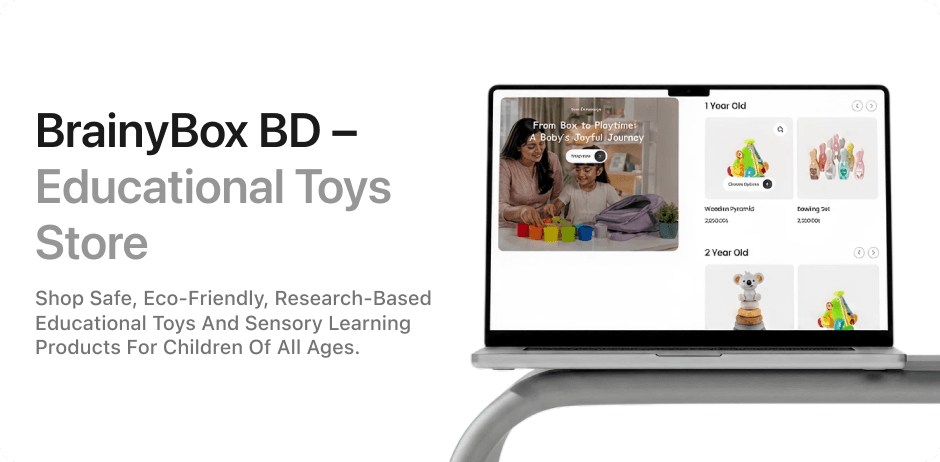
We've built platforms like the education experience we designed for younger learners around that same rule: privacy gets designed in at the start, not patched on once someone asks.
The founders who avoid most of this do one boring thing well. They map the school year and the buying calendar before they map the feature list. A smaller app that lands in a district's April RFP beats a bigger one that's still in beta in October.
Cover photo by KATRIN BOLOVTSOVA on Pexels