












Litmus tracks email's return across marketing channels and puts the average at $36 for every dollar spent, higher than paid search or social. Dental practice email marketing earns that kind of return for a specific reason.
The list is built from patients who already handed over an email address at the front desk, not from strangers pulled off an ad platform.
That head start doesn't remove the legal complexity. A dental or medical practice sending marketing email is handling protected health information the moment a message ties a patient's name to anything about their care.
Setting Up Dental Practice Email Marketing the Right Way
Paubox, which builds HIPAA-compliant email infrastructure, lays out the baseline rules plainly. Practices need explicit written consent before using a patient's information in marketing, and that consent has to explain how the data will be used and include a real opt-out.
Standard Gmail or Outlook accounts, used without specific configuration, aren't compliant for sending anything tied to a patient's care. Any third-party platform handling that data needs a signed business associate agreement, and every marketing message needs a working, honored opt-out link.
The simpler fix for most content is to keep it general. A newsletter about seasonal hygiene tips or a reminder that dental benefits reset in January doesn't reference anyone's individual treatment. It sits outside the PHI problem entirely rather than needing to be defended later.
What to Send and When
Campaign Monitor's guide for dental practices lays out a welcome sequence worth borrowing: a greeting the moment someone signs up, a staff introduction a few days later, useful resources around the one-week mark, then an offer at two weeks.
New patients get to know the practice gradually instead of being sold to on day one.
Reactivation email cadence matters just as much as the welcome series, and it should slow down the longer a patient has been away.
| Time since last visit | Outreach frequency |
|---|---|
| 3-6 months | Monthly |
| 6-12 months | Every 6-8 weeks |
| 12+ months | Quarterly |
Segmenting the list by treatment history, insurance status, and whether a household includes kids lets each of those messages say something specific instead of a generic check-in.
Running that by hand across a few thousand patients is a lot of manual list work. That's why practices increasingly hand the lapse tracking to automated workflows that trigger the right email at the right interval instead of a staff member scanning a spreadsheet.
It's a similar logic to what we found writing about follow-up automation that still feels personal: the trigger can be automatic even when the message shouldn't read that way.
What Good Results Look Like

Bloggingwizard's analysis of Mailchimp and MailerLite benchmark data puts the medical, dental, and healthcare category at a 34% average open rate, the highest of any industry it measured.
That's the number to compare your own sends against, not a generic all-industry average, since a dental list starts with a warmer relationship than a typical retail one.
None of this replaces a wider plan. Email works best sitting inside a broader growth strategy rather than running as a standalone habit, the same way it did for the practice behind our healthcare accessibility case study.
Get the HIPAA basics and the send cadence right first. The open rate takes care of itself once the list trusts what shows up in it.
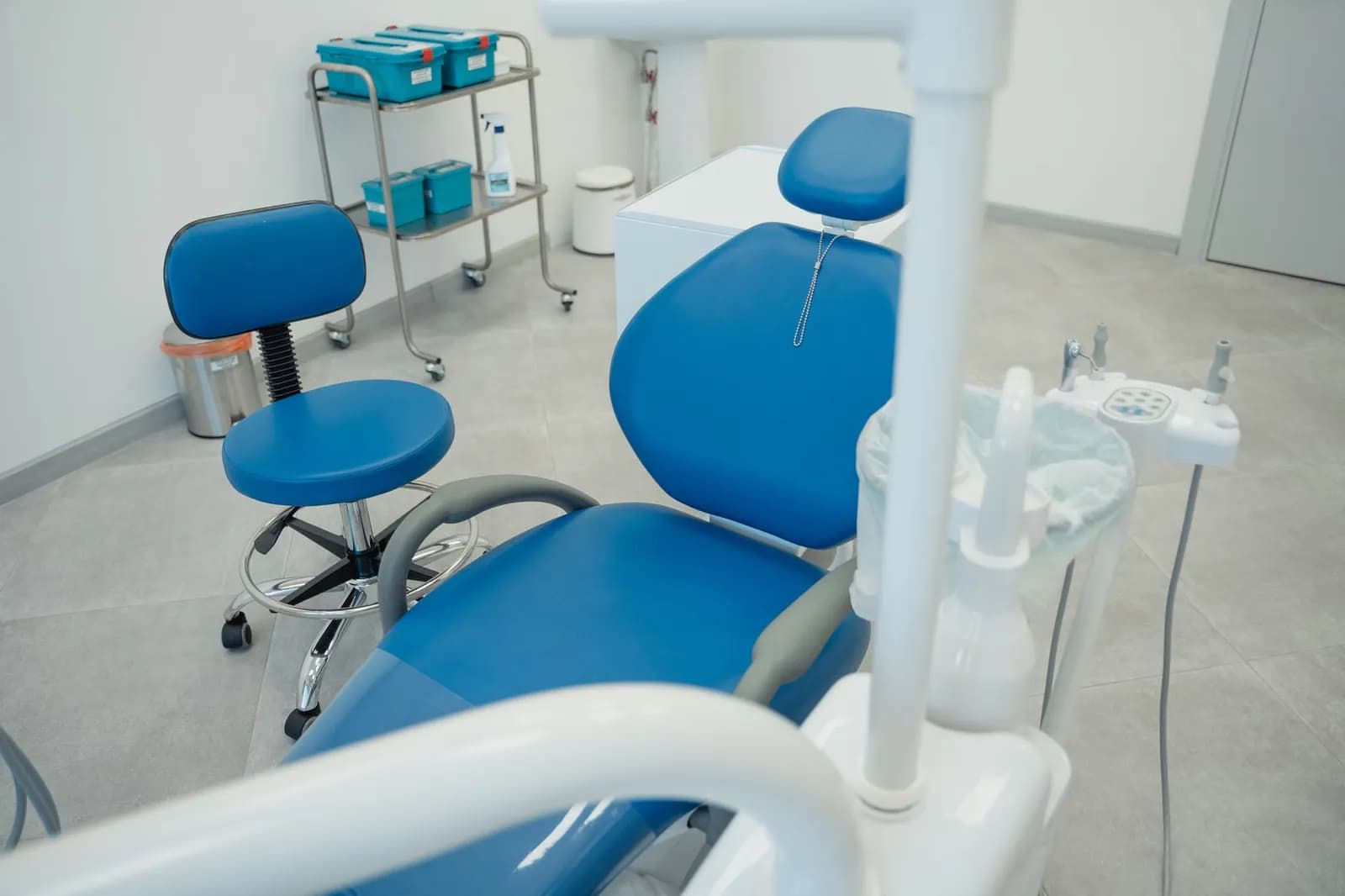
Cover photo by Tima Miroshnichenko on Pexels
Sources
- Email Marketing ROI Guide — Litmus
- HIPAA compliant email marketing for dentists — Paubox