


















Most people don't call a dental office first anymore.
They search, then filter on what shows up: a profile photo, a star rating, a review mentioning how long the wait was. Building a dental practice online presence from scratch means getting each of those touchpoints right before a patient ever dials the number.
By the time they do call, they've usually already decided. That's true even before your website loads.
Where a dental practice online presence actually starts
A website is not the first thing a prospective patient meets. Directories built specifically for finding a provider often are.
The American Dental Association redesigned its Find-a-Dentist tool in April 2025, letting patients filter by specialty, languages spoken, insurance accepted, and how far they're willing to travel. A basic profile comes with ADA membership.
But a dentist has to actively check a box to appear in results at all. Profiles with photos, an email address, and a website link stand out more to someone scanning the page.
The lesson generalizes past that one directory. The same map-pack mechanics that decide who shows up first on Google Maps apply to a practice's other local listings too. An incomplete or unclaimed profile simply doesn't compete, no matter how good the practice behind it is.
Getting the basics filled in, consistently, across every place a patient might look is the kind of ongoing digital marketing work that doesn't stop once the listings go live.
What actually earns trust in Google reviews
Once a patient finds a practice, reviews do most of the deciding.
Dentaly.org's survey of 1,099 Americans, run in October 2023, found that 83% use online reviews to evaluate a dentist. Eight out of ten said reviews were their first step in choosing a new one.
Google carries the most weight: 85% of respondents said they relied on it specifically, well ahead of Yelp in second place.
Volume matters almost as much as the star rating itself. Over half the same respondents, 52%, said they'd only consider a dentist with at least ten reviews on record.
And reviews aren't read once and forgotten. The same research found that 91% of dental reviews are positive.
Yet most respondents said a single negative one had made them reconsider a practice they were already leaning toward. Even so, most dentists never reply to a negative review, despite patients saying they want to see one.
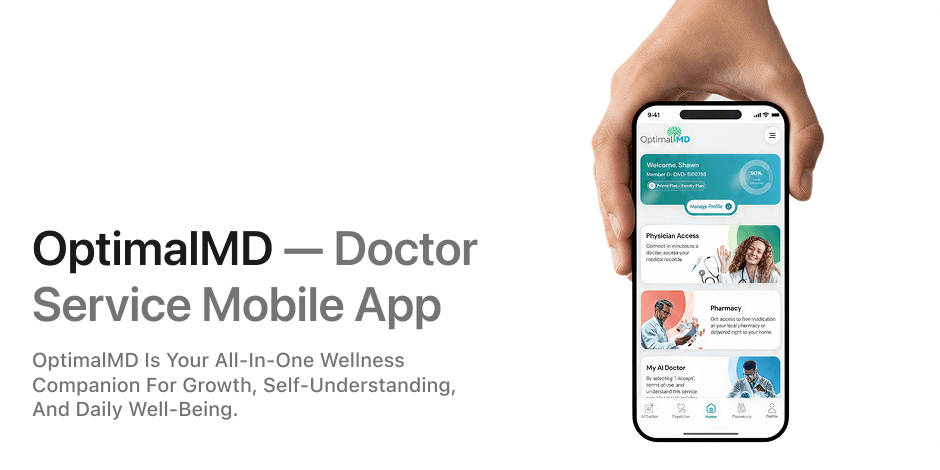
That distance between what patients expect and what most practices deliver is the same territory we covered in our case study on improving healthcare accessibility for OptimalMD.
The distance between being listed and being trusted

A study published in the Journal of Medical Internet Research in July 2020 pulled ratings for more than 200,000 dentists listed on Healthgrades.
Nearly a quarter of them, 24.45%, had no rating at all. Those profiles sat online doing nothing for the practice behind them.
Among the dentists who did have ratings, 73.54% scored three stars or higher. Of the factors the study measured, wait time correlated with rating far more strongly than a dentist's age, gender, or specialty.
That's worth taking seriously. An online presence isn't purely a marketing exercise. It reflects what happens in the waiting room almost as much as what happens on a results page.
Building that presence from nothing works best in the order patients actually experience it. Claim and complete the directory listings first. Keep review volume and responses current second.
Then use a professionally built website to fill in what a directory profile can't, like real photos of the office and a way to book directly.
Skipping straight to the website and treating the rest as an afterthought is how a practice ends up with a polished homepage and an empty, unclaimed profile everywhere a patient was actually looking.
Cover photo by Andrea Piacquadio on Pexels
Sources
- Online Reviews and Dentist Selection: Key Research Findings — Dentaly.org
- Assessing Patient Experience and Healthcare Quality of Dental Care Using Patient Online Reviews in the United States: Mixed Methods Study — Journal of Medical Internet Research