







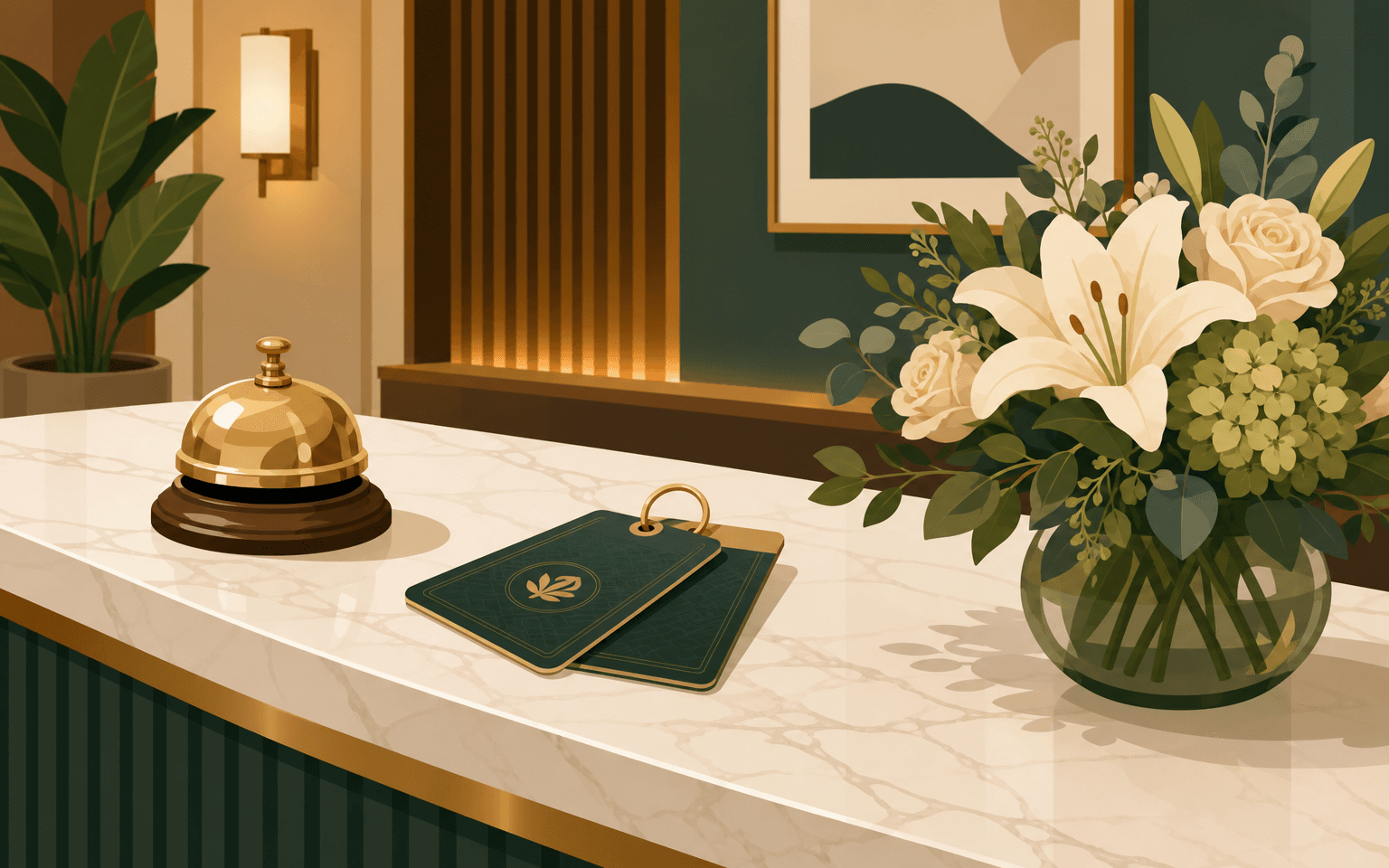
Travel and hospitality visual branding shapes how guests picture their stay before they ever book a room or tour.
Whether you run a boutique hotel, oversee a tour company, or manage an international hospitality brand, your visual identity system works as a silent ambassador every time someone interacts with your business.
A strong system signals trust and aspiration, as well as creating a clear sense of place that sets your business apart among so many choices.
What Makes Travel Brand Visual Identity Design Distinct?
Travel brand visual identity design goes far beyond just a logo. Instead, it's a whole system, story, visuals, voice, and rules, all working together to keep everything unified no matter where it appears. Many travel brands lose consistency once guidelines get ignored or misplaced; suddenly the menus look nothing like the website does. Social posts even clash with property signage.
Every travel or hospitality brand requires several core elements. The story and positioning clarify why guests should care about the brand at all.
Visual identity supplies logos in different versions, colours tailored for digital and print use, typography chosen for clarity, and carefully defined image direction everywhere you look. Verbal identity ensures that every email, menu or caption sounds like it comes from one voice only.
Application comes next: these rules show how branding works across everything from signage to booking confirmations. Guidelines let outside teams apply every part correctly.
Brands devote as much effort to these frameworks as they do to picking any single colour or font because without them, each new campaign can slowly pull the look off course. That causes confusion for guests. It costs trust over time.
Luxury Hotel Branding Guidelines: Restraint and Sense of Place
In luxury hotel branding guidelines, precision is crucial at every step of the process. The best luxury hotel brands pick subtlety over extra decoration; they make typography spare but elegant; embellishments appear rarely; the story alone sets the mood for exclusivity you can feel instantly.
For boutique hotels or historic resorts covered by EHL Insights, weaving local history into every detail matters much more than using common icons like crowns or laurel wreaths ever could. Signature marks instead tie directly to meaningful stories drawn from each property's unique past.
A full set of luxury hotel branding guidelines addresses many specific points at once: there's always a main logo with alternatives for small formats such as favicons and crests (each governed by exact minimum size rules), colours defined for both digital (RGB/hex) and print (CMYK/Pantone) uses, headline and body typography assigned clear roles with usage spelled out in detail everywhere it appears, plus a whole section on photography direction that keeps images consistent across banners or brochures alike.
You'll always see "what not to do" sections protecting against drifting off-brand anytime someone makes something new.
Cohesion at every guest touchpoint matters, from towels on beds to app icons, not just online but in physical details too. These guidelines become living assets when done right. They aren't static documents lost in some folder on a server somewhere anymore.
Behance's showcase of luxury travel branding projects proves these systems deliver bold style yet steady consistency across top hotels worldwide.
The Power of Hospitality Visual Storytelling Strategy
Authentic content drives today's best hospitality visual storytelling strategy far better than old-school methods could hope to do. It's less about perfect promotions now; it's more about bringing destinations alive through honest real-life moments captured as they happen. Travellers actually expect creator partnerships now instead of polished ad campaigns alone.
Visit Tucson's GoPro collaboration gave space for creators' own perspectives rather than falling back on standard tourism talking points alone; candid scenes, desert landscapes or city energy, produced immersive content that outperformed traditional marketing efforts on both email opens and social engagement rates.
This approach works no matter the company size involved. Gleneagles Hotel runs cinematic storytelling across platforms (see Gleneagles' case study here).
DMOs such as Visit Salt Lake build huge content libraries by working with trusted creators, rather than spending everything on one big shoot (read more about Visit Salt Lake's creator marketing campaign here).
Authenticity wins longer-lasting engagement than old ad tactics could ever provide.
Tourism Lifestyle Photography Strategy: Beyond Stock Images
No matter how strong your brand design may be, weak imagery will break it instantly if you aren't careful about quality and fit.
Good tourism lifestyle photography strategy hinges on three essentials: capturing presence, actual moments unfolding before your camera, maintaining cohesion by keeping tone consistent everywhere images appear, then ensuring adaptability so photos work both for big banners and tiny social thumbnails without losing impact.
Commercial photography rooted in lived experience can boost direct bookings dramatically by making properties appear worthy of their price, even beating location or reviews as reasons people book (see Jake's Visuals' guide on travel & commercial photography strategy). Getting this effect takes careful planning from start through delivery.
Shot lists anchored around unique experiences help campaigns stick in guests' memories; editing everything uniformly prevents jarring shifts between photos and video clips wherever assets appear next; custom shoots linger in memory longer than recycled stock images ever do, especially since dozens of rival brands keep reusing those same frames hoping someone will notice them online first.
Bespoke photography also smooths licensing when working with regional boards or large groups that require cross-platform rights management at scale. That makes teamwork easier.
Building Consistency Across Every Channel: The Travel Brand Rollout Challenge
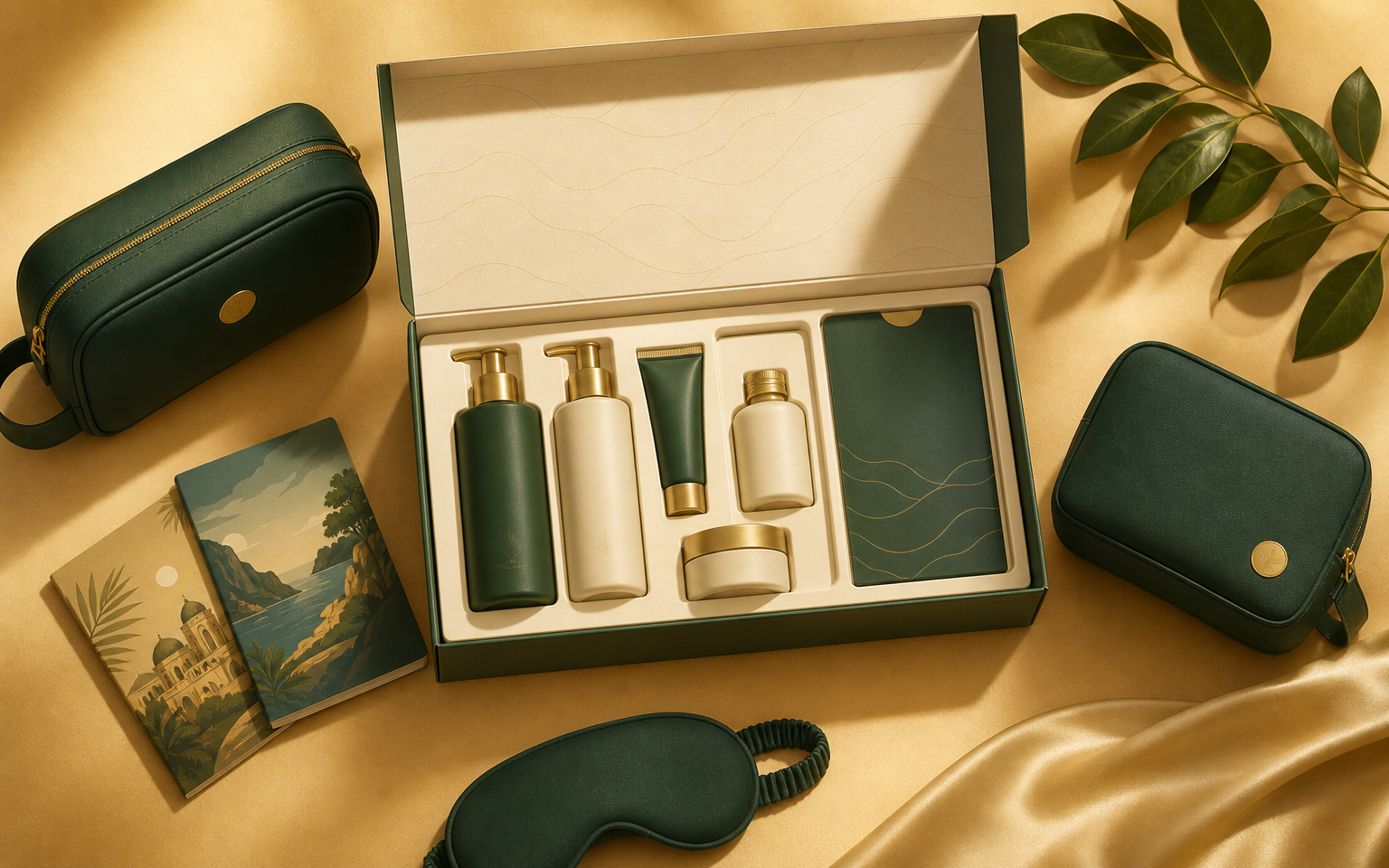
The hardest part begins after launch is over: rolling out your travel brand visual identity everywhere guests might see it is demanding work few anticipate up front.
Kuoni's case study shows why keeping cohesion between retail windows, destination brochures, and digital UX matters just as much as nailing logos or colours early (read about Kuoni's brand rollout execution here).
Hundreds of people may end up applying your system across fast campaigns; this multiplies chances for drift unless you've provided clear documentation guiding decisions along the way at every stage.
This proves true both for large operations stretching over years, as Gaviota Tours' rollout showed, and during high-pressure launches where automation manages hundreds of assets each checked against detailed style guides before anything goes live anywhere public-facing.
Lessons From Luxury Travel Branding Case Studies
The strongest luxury travel brands don't just stop at surface polish because they go further with meaning embedded throughout everything visible.
Sofitel repositioned its offer by blending French lifestyle cues with local culture inside each property, a move credited with driving web traffic up 600% after relaunch (Sofitel rebrand case study here). That changed perception fast.
The Nautilus Maldives redefined luxury simply by removing clocks from daily operations and visuals so that time itself becomes part of how guests experience their stay (The Nautilus Maldives brand strategy details here). Time moves differently there.
Pioneering brands such as Veyor moved away from promoting destinations directly, instead selling tailored journeys based on each client's unique needs using minimalist iconography (one arch symbolizing passage) alongside tangible keepsakes that turn promises into reality (explore Veyor's identity system here).
Specify what nobody else can copy if you want your offer to survive pressure from aggregators competing only on price alone.
Why Multisensory Experience Matters More Than Ever
A recent study found multisensory cues in hotel marketing images shape guest expectations, and sales outcomes shift because of them too (see PolyU's research on multisensory hotel images here).
Details like crisp linens or soft ambient lighting spark emotions missed by fact-based shots alone.
Choices today depend more heavily on sensory impressions since travellers usually cannot tour rooms until check-in happens later.
Persuasive imagery gives comfort real substance before anyone books a stay at all.
The Human Element Holds It All Together
No technical skill can equal genuine storytelling built around people's lived experiences, which explains why modern campaigns now lean less on quick-hit ads than ongoing partnerships with trusted creators whose work connects across platforms over long stretches of time.
Your next step should be mapping where every visual asset lives, from signs outside properties to social posts, and checking if they truly tell one cohesive story no matter the channel or location involved.
The gap between first impressions online or offline versus real-world experience settles whether people remember you, or quietly disappear after checkout ends.
If building a complete travel visual identity system, or turning your core narrative into practical assets, is next for your team, we're ready when you are.