



















Google updated its official guidance on hiring an SEO on June 6, 2026, and for the first time it told businesses to report agencies that deceive them straight to the Federal Trade Commission.
That update is a good place to start on the SEO agency red flags US business owners run into most, because the warnings behind it used to travel by word of mouth. Now they're sitting in an official document, in writing.
SEO Agency Red Flags US Guidance Now Spells Out
Google's guidance for businesses hiring an SEO is blunt on the point that gets pitched most often: "No one can guarantee a #1 ranking on Google." Any agency claiming a special relationship with Google, or a "priority submit" that gets your site indexed faster, is describing something that doesn't exist.
The same guidance says to be careful if a company is secretive or won't clearly explain what it intends to do. If an SEO firm has access to your server, it should be able to walk you through every change it makes there.
An agency that treats its process as proprietary and won't show its work is asking you to trust it blind.
Why the FTC entered the picture in 2026
Google's June 2026 update went further than past versions. It now explicitly tells businesses: "If you feel that you were deceived by an SEO in some way, you may want to report it."
That's a change from leaving the complaint nowhere to go, as Search Engine Journal reported when the guidance changed.
The update also names newer bait: agencies pitching AEO or GEO services, meaning optimization for AI answer engines, on the strength of claims that don't match anything Google has actually published. If a pitch leans on a term you haven't seen in Google's own documentation, ask where it comes from first.
Red flags worth checking before you sign
- A guaranteed ranking, a guaranteed timeline, or a "special relationship" with any search engine.
- Cold outreach out of nowhere promising fast results, the same pattern Google compares to spam email.
- Refusal to explain, in plain language, what changes it will make to your site and why.
- Payment demanded by wire transfer, cryptocurrency, or gift card instead of a normal invoice.
That last one isn't specific to SEO. The FTC's own guidance on spotting scams treats unusual payment demands as a warning sign for any kind of service, search marketing included.
It's an easy thing to check in a contract before you sign it.
What a legitimate agency looks like instead

Photo by MART PRODUCTION on Pexels
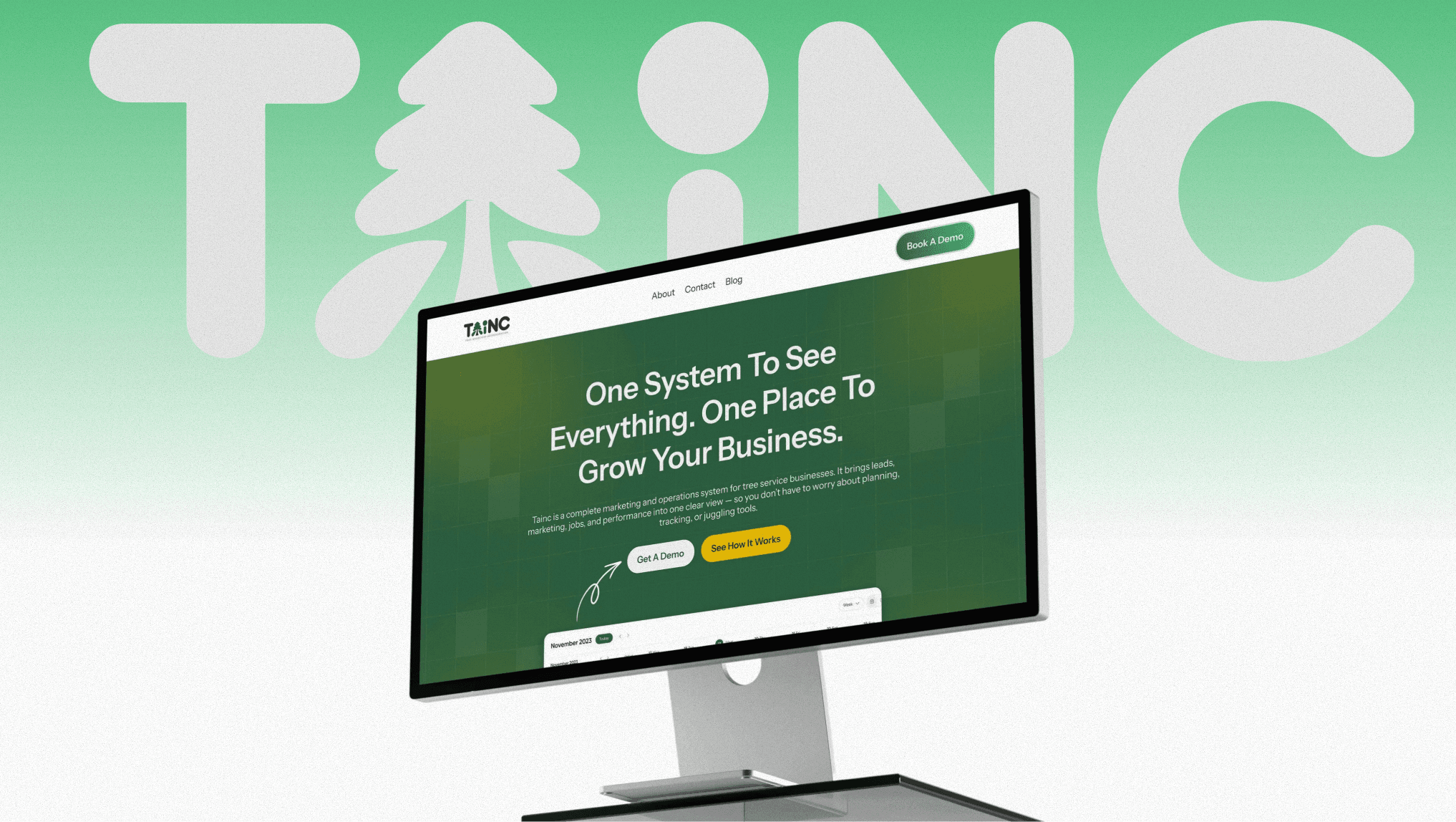
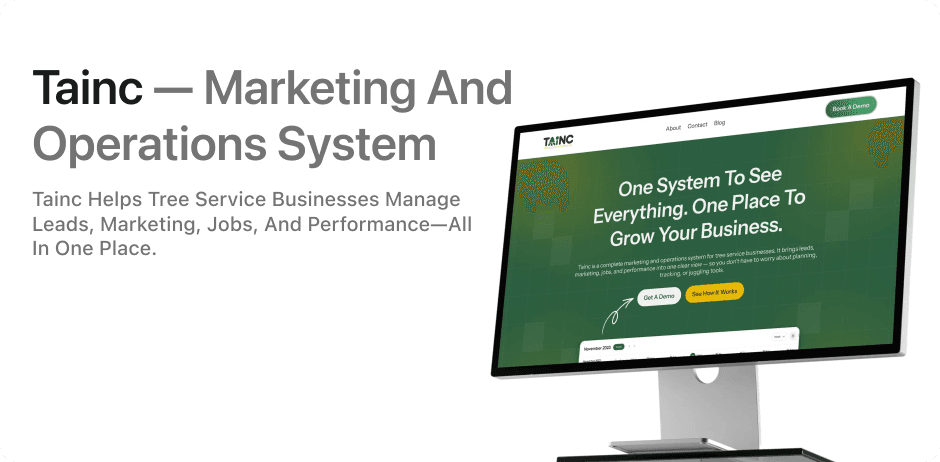
A real answer to "how did you get this result" is short and specific. It names the pages that changed, the keywords targeted, and the traffic or leads that followed. That's the same way we lay out results in our work building a growth platform for a tree service business.
You should own your analytics, your Search Console, and your Google Business Profile logins from day one, not receive login access as a favor once the contract ends.
The questions to ask an SEO agency aren't that different from the ones worth asking before hiring any digital marketing and growth partner, or the ones we cover for choosing a web design agency: who owns the work, what's measured, and what happens if it doesn't perform.
Content strategy is part of that picture too. A content strategy built to earn its budget shows its reasoning the same way legitimate SEO work should.
Before you sign anything, ask for the login list in writing and ask what happens to your rankings and content if you leave. An agency that answers both without hesitating has probably earned the contract.
Cover photo by Georgie Devlin on Pexels
Sources
- Do You Need an SEO? Tips for Hiring an SEO — Google Search Central
- Google's Updated Guidance Urges FTC Complaints Against Shady SEOs — Search Engine Journal