






Seventy-eight percent of small businesses in Canada now run a company website, according to a September 2025 survey of 2,478 owners by the Canadian Federation of Independent Business. Yet the same research found only a third of those sites are actually used to sell anything.
That gap usually gets decided during the hiring web design agency Canada conversation that happens before a single wireframe gets drawn. Ask the wrong questions there and you end up with a site that looks finished but doesn't do the jobs you needed it to do.
Three questions matter more than the rest. Who owns the finished work? Does the site need to meet Ontario's accessibility rules? And what happens once it's live?
Hiring Web Design Agency Canada: Who Owns the Site
In Canada, the person who designs something owns the copyright the moment they create it, not the business that paid for it. Getting an invoice paid doesn't change that on its own.
Section 13(4) of the Copyright Act requires any transfer of that ownership to be in writing and signed by the designer, according to a guide from the Registered Graphic Designers of Ontario.
So a web design contract needs to state plainly whether you're buying full ownership of the finished site or just a license to keep using it. Get that assignment written down before the project starts, not after a dispute over who can touch the code.
It's also worth asking who owns the material you bring yourself, like your logo and existing photography. And whether the agency can feature your finished site in its own portfolio without checking with you first.
Ask Whether the Site Needs to Meet AODA Rules
If your business operates in Ontario, accessibility stops being optional past a certain size. The Accessibility for Ontarians with Disabilities Act requires public-facing websites to meet accessibility requirements once a business crosses 50 employees, according to the Canadian Federation of Independent Business.
That applies whenever the site is newly built or significantly redesigned.
Businesses with 20 or more employees in Ontario face a separate deadline: filing an Accessibility Compliance Report by December 31, 2026. If your headcount is anywhere near either threshold, ask upfront whether accessible design is built in by default or billed later as an add-on.
| If your business has... | What AODA requires | By when |
|---|---|---|
| 50+ employees in Ontario | New or significantly redesigned public websites must meet accessibility requirements | At the time of the build or redesign |
| 20+ employees in Ontario | File an Accessibility Compliance Report | December 31, 2026 |
What Happens After the Site Goes Live

Photo by Sergei Starostin on Pexels
A contract that's silent on what happens after launch usually means you're on your own the first time something breaks. Ask directly who patches security updates, who fixes a bug that shows up three weeks in, and what the response time actually is when something goes down.
This is where a lot of the difference between agencies shows up, not in the design phase. Our own web and e-commerce work and UI/UX projects stay in the relationship past launch, since a site's real performance only shows up once customers are actually using it.
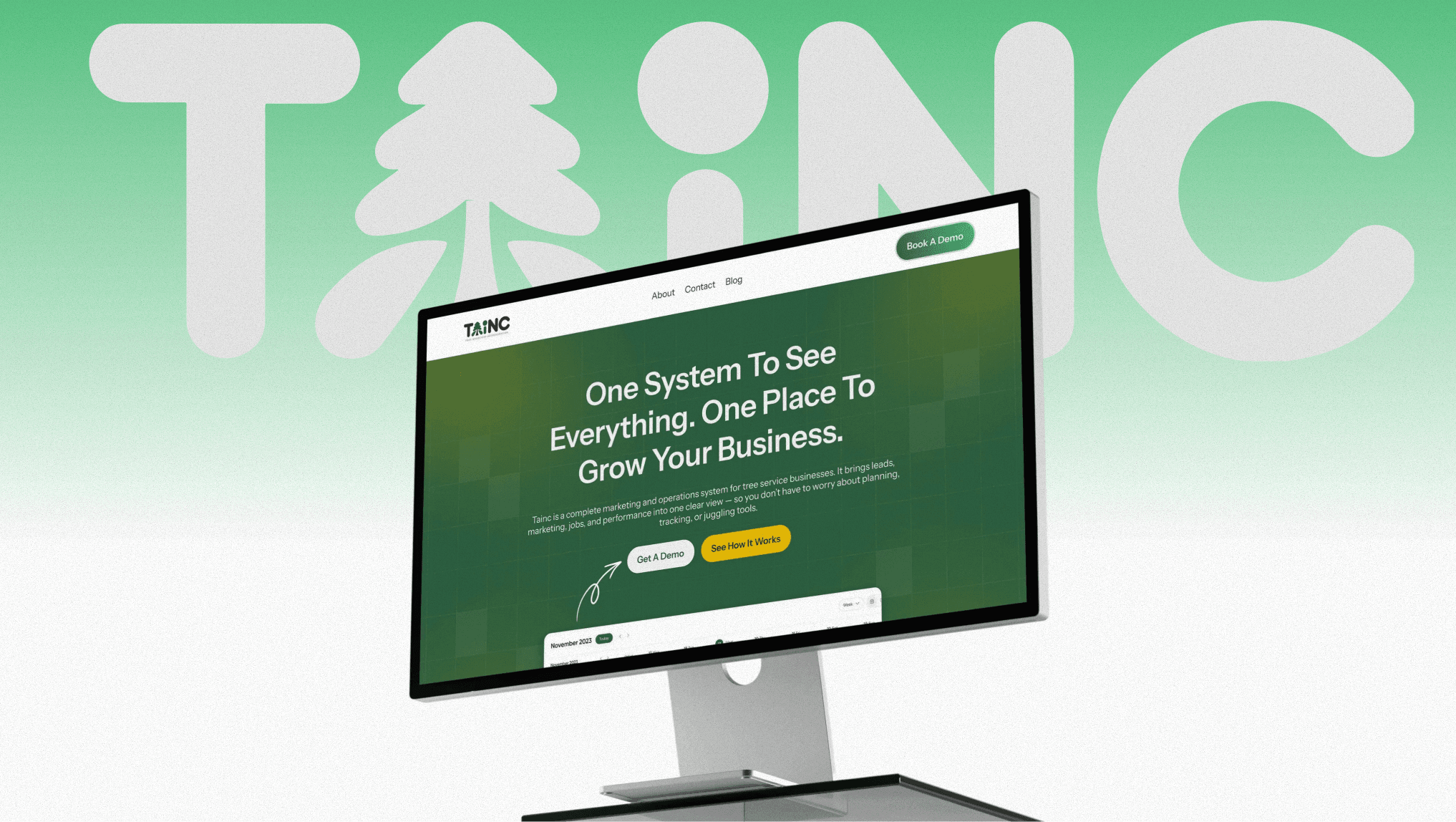
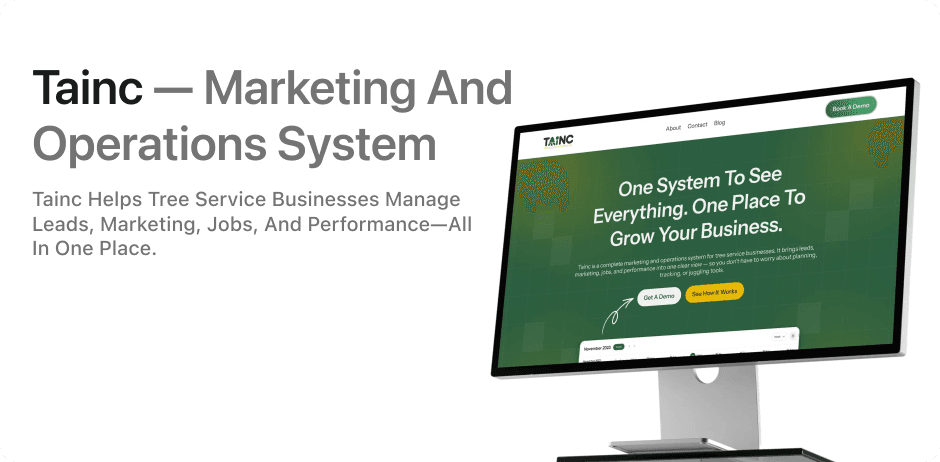
The growth platform we built for a tree service company makes the point well. What mattered most happened after the initial launch, as the platform kept getting used.
None of this means the design and branding conversation doesn't matter. A good creative process still decides whether the site represents your business well. It just isn't the only conversation worth having before you sign.
Write down the answers to these three questions before you commit to anything. If an agency can't give you a straight answer on ownership, accessibility, or what support looks like six months from now, that's the answer.
Sources
- Small Business Digital Presence: Navigating Opportunities and Obstacles — Canadian Federation of Independent Business
- Is your business in compliance with the AODA? — Canadian Federation of Independent Business