















What Goes Into a Retail Digital Marketing Budget?
A retail digital marketing budget does more than assign a single headline number. It creates spending boundaries, shows how much goes to each channel, and shapes the way you measure success. Most retailers set these budgets for a whole year.
They plan allocations for paid media, content creation, technology tools, and either agency or staff costs.
Smart teams not only track what they intended to spend but also keep a close eye on actual spend so that as campaigns perform better or worse than expected, they can adjust accordingly.
Retailers generally take three main approaches to budgeting. Some simply pick a set percent of revenue, typically between 5% and 15%.
Others choose to work backward from growth goals by estimating how many new customers they need, then multiplying by an expected customer acquisition cost (CAC) for each channel until they reach a total.
The third approach caps spending using contribution margin, making sure that marketing costs never exceed what each sale generates after all costs.
Each method answers a different question: what is standard in your sector, what will get you to your goals, and what is safe for your business right now? Most teams mix all three methods together and adjust models as market conditions change over time. No one approach works forever.
Retail Marketing Budget Allocation: Where Are Retailers Spending?
Retail marketing budgets shift quickly these days. Digital channels and retail media networks draw in more money as traditional ad formats fade from prominence. According to MOART, retail media will account for 20–30% of top CPG brand budgets by 2026, a huge share.
Influencer spending holds steady at 10–20%. However, brands now look more to mid-tier creators than macro-influencers alone. Connected TV and audio enter budgets regularly too.
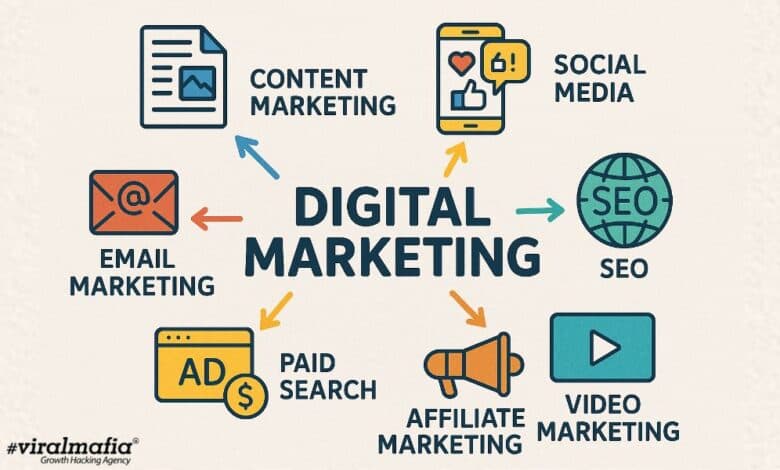
The 70/20/10 model guides many allocation decisions, 70% of the budget goes toward proven core channels like paid search; paid social on platforms such as Meta or TikTok; SEO/content marketing; email lifecycle programs; and retail media networks including Amazon Ads or Walmart Connect.
Another 20% backs growth bets on emerging platforms or experimental programmatic buys. The final 10% gets reserved for real experimentation, for example, trying entirely new ad formats or rolling out AI-driven channels before competitors can respond.
The highest performers do not fix these ratios all year long. Instead, they review them every quarter after tracking channel CAC trends and payback periods. If any area improves or lags behind the rest, they reallocate their money fast.
Ecommerce Customer Acquisition Cost: Benchmarks & What Drives Them
Ecommerce CAC continues rising through 2026 for almost every category. Apparel brands pay $90 per new customer now; beauty is at $110; pet care lands between $68–$90; food hits $75 per head; electronics commonly tops $100; luxury reaches over $175 per buyer in some cases.
Meta CPMs rose by 19% since 2023 while Google CPCs climbed 13%, meaning CAC jumped by 40–60% for many major retail sectors.
This wide range comes from far more than just higher ad prices. Factors like average order value (AOV), purchase frequency within your niche, competition levels, and retention rates all shape what is affordable when trying to acquire one customer.
Benchmarking against your own sector makes a difference: sometimes high CAC is typical in your category, but at other times it may indicate issues like weak creative or poor retention draining your profits.
The best brands work to cut effective CAC by focusing on retention automation, for instance, well-timed post-purchase emails and SMS prompts trigger quicker repeat orders so new customers become profitable far faster than usual.
Retail Paid Media ROI Strategy
Return on ad spend (ROAS) sits at the heart of most paid media strategies in retail yet doesn't provide the whole story by itself. Platform dashboards miss which sales are incremental versus those that would have happened anyway without ads running behind the scenes.
ROAS industry standards typically fall between three times spend and six times spend; sponsored search often sits higher while display returns less.
To clarify results further, many retailers try closed-loop attribution by linking online ads with offline sales using POS data or unique promo codes that follow buyers across touchpoints, even in-store purchases count this way.
Holdout group testing also shows teams exactly how much extra lift their campaigns create above organic sales baselines that would have been there regardless of ad support.
Some advertisers split their spend between Amazon Advertising and Walmart Connect, and when they shift just 15% away from Amazon alone, sometimes blended ROAS improves because conversions come cheaper elsewhere.
Seasonal Retail Advertising Budget: Timing Matters More Than Ever
No digital marketing budget for retail can ignore seasonality these days, timing determines outcomes for anyone chasing year-end targets before demand cools down again until months later in the cycle.
From AdSpyder's review of nearly 95 million shopping ads: Christmas campaign activity climbs from October through December. It doubles over November, then collapses almost 90% in January once most advertisers exit right after peak season closes.
Black Friday brings sudden spikes mid-November whereas Cyber Monday peaks even more rapidly right after Thanksgiving weekend ends.
Smart operators schedule calendars with competitor moves in mind yet always start early, Christmas assets get prepared during Q3 rather than waiting until November crowds push CPMs up as much as 80%.
Black Friday audience targeting launches ahead of rate surges so messaging reaches shoppers before costs soar; post-holiday creative waits ready before Q4 closes so evergreen or clearance offers fill gaps once festive demand fades away.
Cyclic changes extend beyond just holidays. January brings some of the year's cheapest CPMs as holiday exits thin out competition, making this month ideal for running low-cost tests on new channels when bidding slows dramatically.
During summer dips brands can scale proven strategies at bargain prices while Q4 forces everyone to defend strong positions since fierce competition sends CPMs well above Q1 averages according to mbuzz.co's seasonality calendar.
How To Create Marketing Budget That Delivers Measurable Impact
A disciplined process ensures every dollar supports outcomes, not just vanity activity stats or surface impressions that fail to drive true growth.
Align with overall business goals. Start with revenue targets or clear customer growth objectives instead of repeating last year's budget figures without scrutiny.
Analyze historical data. Determine which channels consistently generate both reliable growth and profit using ROI figures, not just impressions or click counts, as your guideposts.
Diversify your channels carefully. Leading performers run six to nine core sources but avoid spreading too thin until tracking reliably shows what works (and what fails) as you gain detail over time.
Build measurement in first. Choose early how you'll track both short-term ROI (like ROAS per channel) and long-term outcomes such as repeat purchase rates or LTV:CAC ratios, and install those tools before large campaigns launch rather than retrofitting later on.
The latest Gartner CMO Spend Survey says global marketing budgets average about 7.7% of company revenue right now. DTC ecommerce benchmarks climb higher (10–15%). Established retailers stick closer to between 5–8%. The best teams allocate quarterly instead of yearly so funds can move fast into effective channels rather than waiting months before making corrections.
Tying It Together: What Actually Drives Success?
The most successful retail digital marketing budgets target where every pound spent returns measurable value, not simply throwing more money into the mix overall. Results flow from matching allocations carefully against realistic CAC benchmarks by category.
Channel mixes remain diversified but anchored by reliable sources like email lifecycle flows plus paid search and retail media. Investments get timed around seasonal surges. Measurement integrates into every campaign upfront, not bolted on only at the end when it's already too late.
If you want hands-on help designing a strategy, from initial allocation models through automated reporting. We're here whenever you need support.