


















Building Your Real Estate Digital Transformation Roadmap
Many property firms launch digital projects but struggle to achieve the business transformation they seek. Reports covered by QubeHub.ai reveal that 73% of real estate companies have initiated digital change, yet only 23% actually reach a point where it makes a significant impact.
Technology alone rarely accounts for this gap. Success comes, most often, from having a real estate digital transformation roadmap that connects technology investment directly to asset strategy and everyday operations.
This roadmap imposes order on what would otherwise become a mess of scattered tools. Without it, agencies experience repeated data entry. Manual workarounds crop up. Reporting gets slow or inconsistent. With strong planning, technology decisions link directly to real outcomes, streamlining processes and allowing data to inform decisions while also improving tenant experience.
The Real Estate Digital Transformation Framework
Digital transformation in real estate requires more than merely updating software. Success depends on following a clear framework that balances quick wins with scalable long-term planning. One widely adopted model splits the process into four primary stages.
First is assessment and strategy. Start with a digital maturity audit across all departments to identify where bottlenecks hold back sales, leasing, operations, or management.
Foundation building comes next; upgrade data infrastructure so every system connects and move as much as possible to the cloud for flexibility. Tackle cybersecurity risks early, and bring stakeholders into change management right from the start.
The third stage centers on technology implementation, but don't attempt everything at once, roll out core platforms like CRM or project management first, then layer on advanced features like AI analytics once you have confidence in the basics.
Optimization and scaling follow; use new data insights to improve operations and roll out successful pilots across your portfolio only after simple projects prove themselves before moving to complex AI-driven automation.
This framework helps avoid typical mistakes. Over-customizing tools wastes time compared with fixing processes directly. Isolated pilots usually fail to scale successfully. Wait too long to manage change and resistance becomes entrenched.
The Proptech Integration Roadmap Strategy
Proptech sits at the center of how property businesses transform their operations today. Integration requires more than just connecting APIs; it means embedding new workflows within current routines without piling extra work on already busy teams.
The Blueprint study reveals integration issues, not product flaws, are why new technologies often fail at scale. When piloting new systems, organizations test basic connections first. Only with full rollout do bigger challenges emerge: broken data syncing or clashing workflows can appear only when all systems are live together.
The best integrations embed themselves into daily routines so staff make decisions without toggling between platforms. Vertical integrations, a single platform enabling the full workflow, beat horizontal approaches that force users to constantly switch tabs just to finish a task.
Pushing this further means choosing vendors who outline their integration plans in advance while keeping both organizations' leaders engaged throughout rollout. Good data governance is vital as well: if information doesn't move reliably between core systems like PMS, you risk building new silos even as you add tech.
Smart Building IoT Digital Transformation
Smart building technologies offer both opportunity and added complexity when you're shaping a real estate digital transformation roadmap. By deploying IoT sensors within your building management systems, you can automate maintenance schedules while reducing energy bills with smarter controls, and enhance compliance tracking as well as tenant experience along the way.
However, successful rollouts go further than simply installing devices on every floor; research stresses the need to unify all sensor outputs in one repository alongside other operational databases before machine learning or predictive analytics can deliver true value.
You must decide which use cases matter most for your portfolio early in the process: some owners focus on energy analytics above all else while others need deeper insights into space utilization instead.
If each sensor deployment stays isolated within one flagship asset but never expands because there's no integration plan or proven ROI for broader rollout, fragmentation happens fast.
To explore how smart buildings become accessible for everyone who uses them, see our guide on real estate UI accessibility.
AI Predictive Analytics for Real Estate Valuation

No transformation plan is whole without taking on valuation accuracy, and AI predictive analytics increasingly drive key choices across every property type.
Industry benchmarks from Core Advisors say standard residential AVMs achieve median error rates of 2–3%, whereas five years ago errors routinely reached double digits; commercial multifamily models now match that reliability with over 95% accuracy in dense city markets (see methodology breakdown).
Yet uncertainty still jumps, sometimes up to 20% error, for luxury assets or unique properties where sales comparisons are sparse and features become harder to match as prices rise.
A common practice: Use AVMs first for rapid screening before forwarding complex or high-value cases for manual human appraisal if confidence scores drop or outliers show up in results.
Modern AI models are starting to include climate risk by default; recent U.S. estimates find coastal property values could be overstated by $237 billion when flood risk isn't considered.
As of early 2024, regulators in places like the Netherlands have begun requiring climate variables in valuations for loans secured by property.
For technical advice on setting up these systems effectively, review our real estate SaaS tech stack explainer.
Pitfalls When Delivering Digital Transformation in Real Estate
Piloting tools separately without an overarching plan keeps firms stuck in "pilot purgatory", many trials but few permanent gains (QuadReal Property Group's case analysis describes this trap). Progress happens when technology becomes routine through formal governance structures and continuous staff training, not when treated as unique projects separated from daily work.
The biggest blockers show up when firms treat integration like an afterthought instead of addressing it early; launch broad changes at once rather than introducing them by asset type; wait until after go-live for team coordination; or customize software so deeply that costs explode later and momentum stalls completely.
Your aim must be clear business improvement, not tool counts: track admin time per deal (some firms see cuts from six hours daily per agent down to two), faster leasing cycles after process upgrades, higher tenant satisfaction post-portal launch, or sharper investor reporting thanks to stronger system connections.
Future-Proofing Your Digital Transformation Roadmap
You must adapt your roadmap as regulations evolve (especially ESG requirements), new proptech enters maturity, or AI unlocks added uses for connected building data.
Industry research is clear: success hinges not just on deploying technology but on actual outcomes achieved, are workflows faster? Are costs down per managed unit? Do customers report higher satisfaction after each change?
The leaders who pull ahead invest leadership attention where it has impact and build solid foundations, unified data management strategies combined with scalable integrations that generate recurring returns over time.
Others fall behind running outdated systems or endless pilots with no future direction.
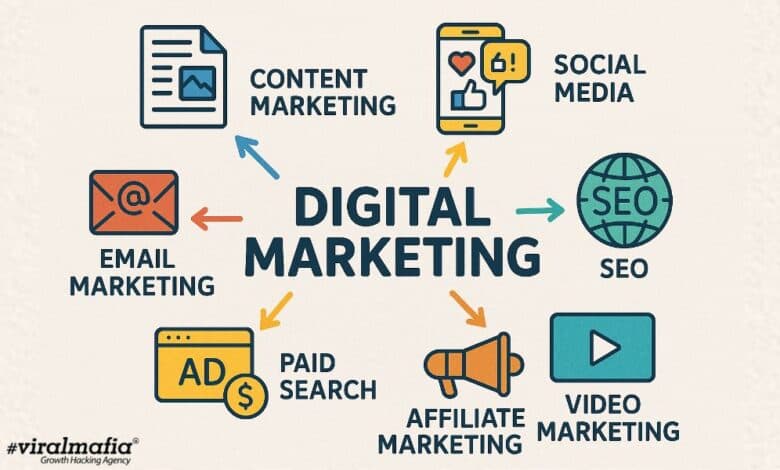
If you're looking for ways digital marketing campaigns can drive lead capture within your overall roadmap strategy, see our guide on high-ROI real estate email marketing.