






















Shopify's chief executive gave the problem a name this month. On the Knowledge Project podcast, released September 15, Tobi Lütke described employees firing off unreviewed AI output at their colleagues and called it a "slop grenade."
The real cost of AI at work, in his telling, is the time somebody else spends untangling a pull request or a memo that nobody actually read before hitting send.
"The failure case now of lazy work is not lack of output," Lütke said on the podcast. Over-production, not under-production, is the new problem.
Why the real cost of AI at work is easy to miss
Shopify pushed hard for this kind of speed. Back in April 2025, Lütke told staff that reflexive AI use was now a baseline expectation, with adoption factored into performance reviews.
By October 2025, the company reported universal use of AI code editors, according to Search Engine Journal's reporting on the podcast.
Lütke estimated that roughly half of Shopify's pull requests now start as a conversation with River, the company's internal AI agent. That speed cuts both ways.
Engineers approve pull requests without reading them closely, leaving a colleague to catch what's wrong later. In one example Lütke gave, someone used AI to pad a short point into a long email, and the recipient ran it back through another model just to compress it again.
Two AI calls, no new information, just a longer round trip.
"We call those 'slop grenades' that people toss at each other," Lütke told Fortune. "That's definitely a bad thing."
The cleanup bill is showing up everywhere
Duolingo went through something similar. After pushing an "AI-first" strategy, CEO Luis Von Ahn found that scaling up AI output produced roughly 20% "pure slop" that needed a person to fix before it was usable, Fortune reported.
Freelance platforms are seeing the same shift from the buyer's side. Search Engine Journal's review of freelance job listings found the busiest categories were graphic design, video editing, proofreading and content writing: work businesses now hire people to fix after AI made the first pass.
| Signal | What it shows |
|---|---|
| Freelancer.com cleanup listings | Up 87% between August 2025 and June 2026, reaching 10,760 posts |
| Upwork AI remediation gigs | Up 70% year-over-year |
| Fiverr "AI cleanup" searches | Grown more than 20-fold since 2023 |
| Workslop cost, per BetterUp and Stanford | About $9 million a year in lost productivity at a 10,000-employee company |
That $9 million estimate comes from a September 2025 survey of 1,150 full-time desk workers by BetterUp Labs and Stanford's Social Media Lab.
Forty percent said they'd received "workslop," AI output that looks finished but isn't, in the past month. A later wave that Fortune reported found the share climbing past half.
Budget for the review, not just the output

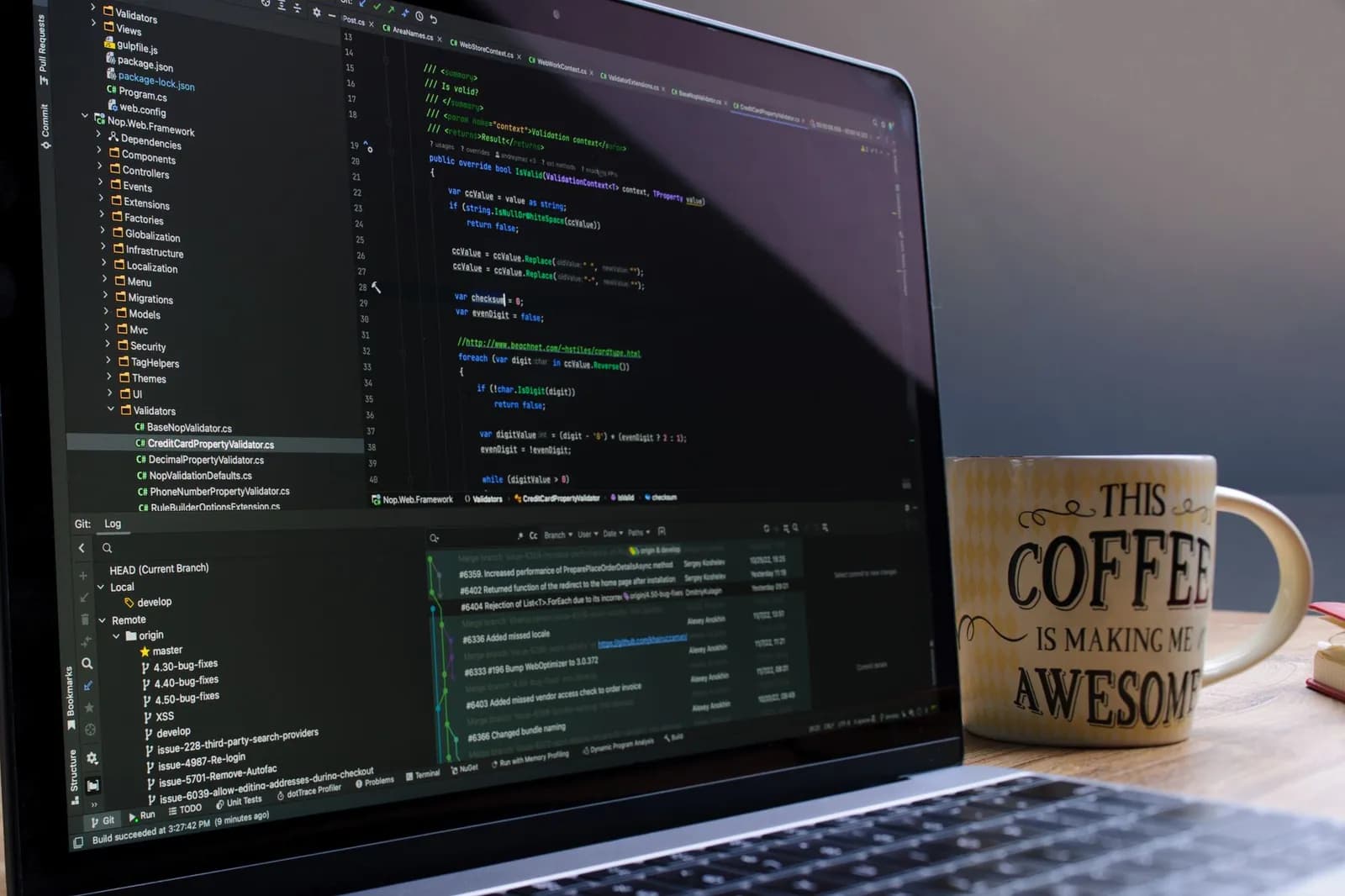
Photo by https://kaboompics.com/ on Pexels
The practical response is to budget for review time alongside the output, not to abandon AI tools altogether.
A pull request drafted by an agent still needs a person who reads it before approving, and the same goes for a first-draft email: somebody still has to check what it actually says before it goes out.
That review time belongs in the budget from the start, not discovered later as a freelancer invoice for cleanup work. It's part of why we design AI and automation workflows with a human checkpoint built in, rather than a tool that's fast until somebody has to check its work.
The same math holds across industries. Weighing affordable AI options for a fintech company or planning an AI rollout for a real estate brokerage means pricing in the review time too: output that needs an hour of checking per use isn't actually cheap.
The tools that scale output ten times over need a review step that scales with them. That's the step most budgets leave out, right up until the cleanup invoice arrives.
Cover photo by https://kaboompics.com/ on Pexels
Sources
- Shopify CEO Warns AI 'Slop Grenades' Shift Work to Coworkers — Search Engine Journal
- AI Slop Cleanup Job Listings Up 87%, Report Says — Search Engine Journal