













A fraud-detection platform that once meant a six-figure contract with a vendor like NICE Actimize now has a free, open-source rival built and hosted by the Linux Foundation.
That gap is what makes affordable AI for fintech companies realistic this year, and it has little to do with cutting corners. It has more to do with knowing which tool actually needs the enterprise price tag.
What affordable AI for fintech companies looks like in practice
In a survey Bluevine fielded in April 2026 across more than 942 small business owners, 74% said they were already using or testing AI tools. Roughly half reported saving four or more hours a week because of it.
More than half said the investment had already produced measurable returns. Data analysis and business insights rose to 39% of reported AI use, up from a third the year before, overtaking a lot of the marketing and sales tasks AI got attention for early on.
None of that means adoption is smooth. The same respondents reported real friction getting past pilot use, and a quarter said they hadn't seen any return yet.
Where the free and cheap tiers hold up
Spend platforms built for finance teams now ship real AI in their free plans, not just a trial. Ramp's no-cost tier includes unlimited corporate cards, invoice capture with OCR, and automated fraud detection alongside QuickBooks and Xero integrations.
Paying $15 a month per user on its Plus tier adds AI-driven approval recommendations and auto-coded line items on top of that. Further up the stack, the gap between an enterprise tool and its cheaper alternative gets bigger, not smaller.
| Function | Enterprise option | Lower-cost alternative | What you give up |
|---|---|---|---|
| Fraud monitoring | NICE Actimize (six-figure contracts) | Tazama (free, open-source) | Vendor support and pre-built guardrails |
| Credit scoring | Zest AI ($250K+ a year) | Scikit-Learn plus SHAP | Some predictive accuracy, per the tooling's own comparison |
| Business intelligence | Tableau ($70 per user, monthly) | Metabase (open-source, self-hosted) | Per-user licensing gone, hosting becomes your job |
The same trade shows up in compliance work. A vendor like ComplyAdvantage can run into the tens of thousands annually for sanctions screening; pairing the free OpenSanctions database with government eID verification APIs covers a lot of the same ground for far less.
The catch the comparisons leave out

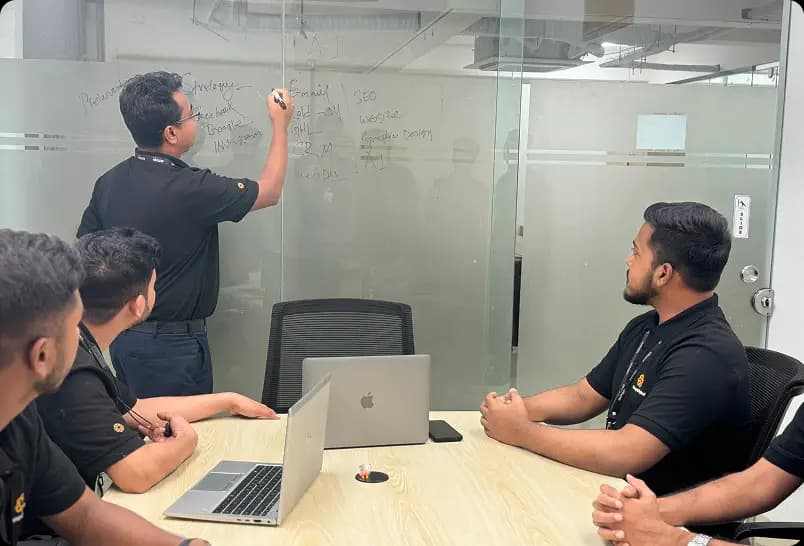
Photo by Bejan Adrian on Pexels
Cheaper doesn't mean unattended. The open-source route trades a subscription for engineering time: someone has to integrate it, watch it, and patch it when a sanctions list format changes.
That's where trust matters. Data security and privacy concerns were the top constraint on going further with AI in Bluevine's survey, cited by a third of respondents, up several points from the year before.
For a business handling account numbers, that caution is earned. It's part of why we've written about building a real AI containment strategy rather than bolting a model onto sensitive workflows.
Vendor choice matters too. Picking one AI provider and assuming its pricing will hold steady is a bet, which we covered when looking at what one AI lab's spending means for vendor strategy generally.
Start with one workflow, not a platform
The finance teams getting real hours back aren't the ones that bought the biggest suite. They picked one slow process, often invoice coding or first-pass compliance checks, and put AI on just that.
A law firm we worked with took the same approach with client intake and cut its response time measurably, a result detailed in our case study on cutting response time.
Fintech teams don't need every tool replaced at once to see similar hours back. What they need is the one bottleneck actually costing time, matched to a tool sized for it.
Someone still has to maintain it once it's live. That's where DIY builds quietly stall, and it's worth getting outside AI and automation help for, even when the software itself is free.
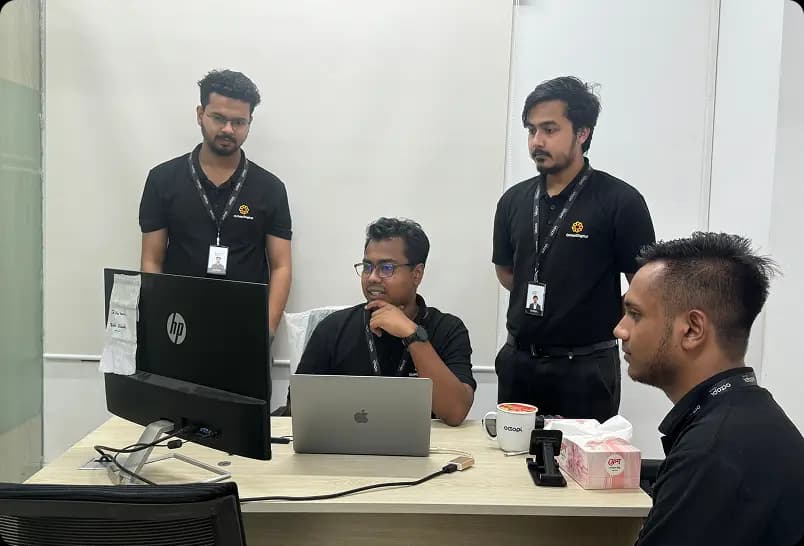
Cover photo by RDNE Stock project on Pexels
Sources
- Bluevine Study Shows AI is Saving Nearly Half of SMBs 4+ Hours a Week — Bluevine / PR Newswire
- Ramp Pricing and Plans — Ramp