







Why Hiring a Web Design Agency in the Middle East Is Different
Choosing a web design agency in the Middle East shapes much more than just the appearance of your website, because in the UAE and Saudi Arabia, your site is often where potential customers first encounter your brand. Trust is won or lost here. Speed, language, and local standards all influence that outcome. The choice goes well beyond design.
Markets in the region expect mobile-first sites. They demand smooth Arabic-English switching and easy digital journeys. Agencies that really understand these demands help businesses build trust and bring in leads; those that don't may deliver slow templates or websites that fail to convert.
What Sets a Middle East Web Design Agency Apart?
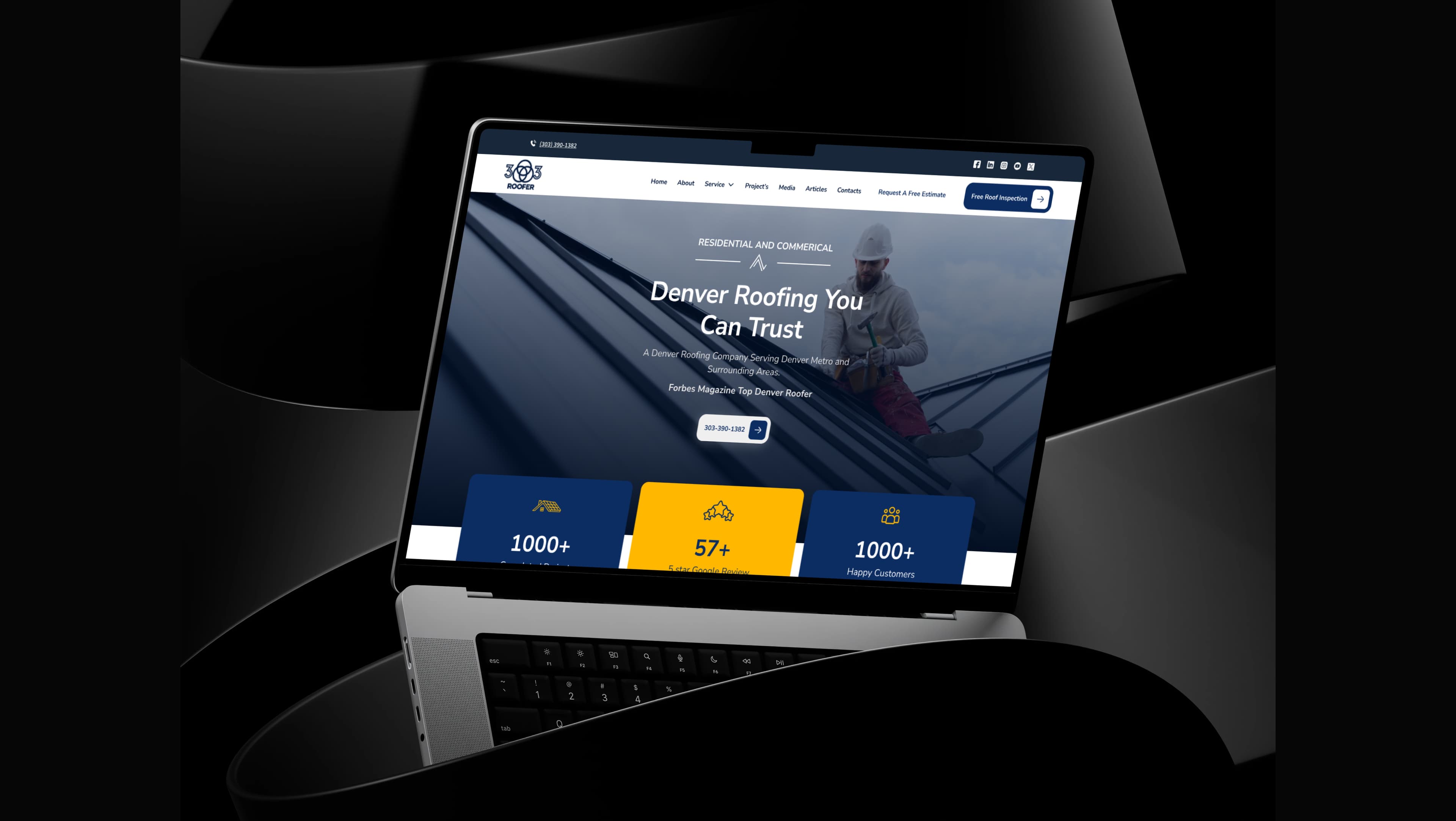
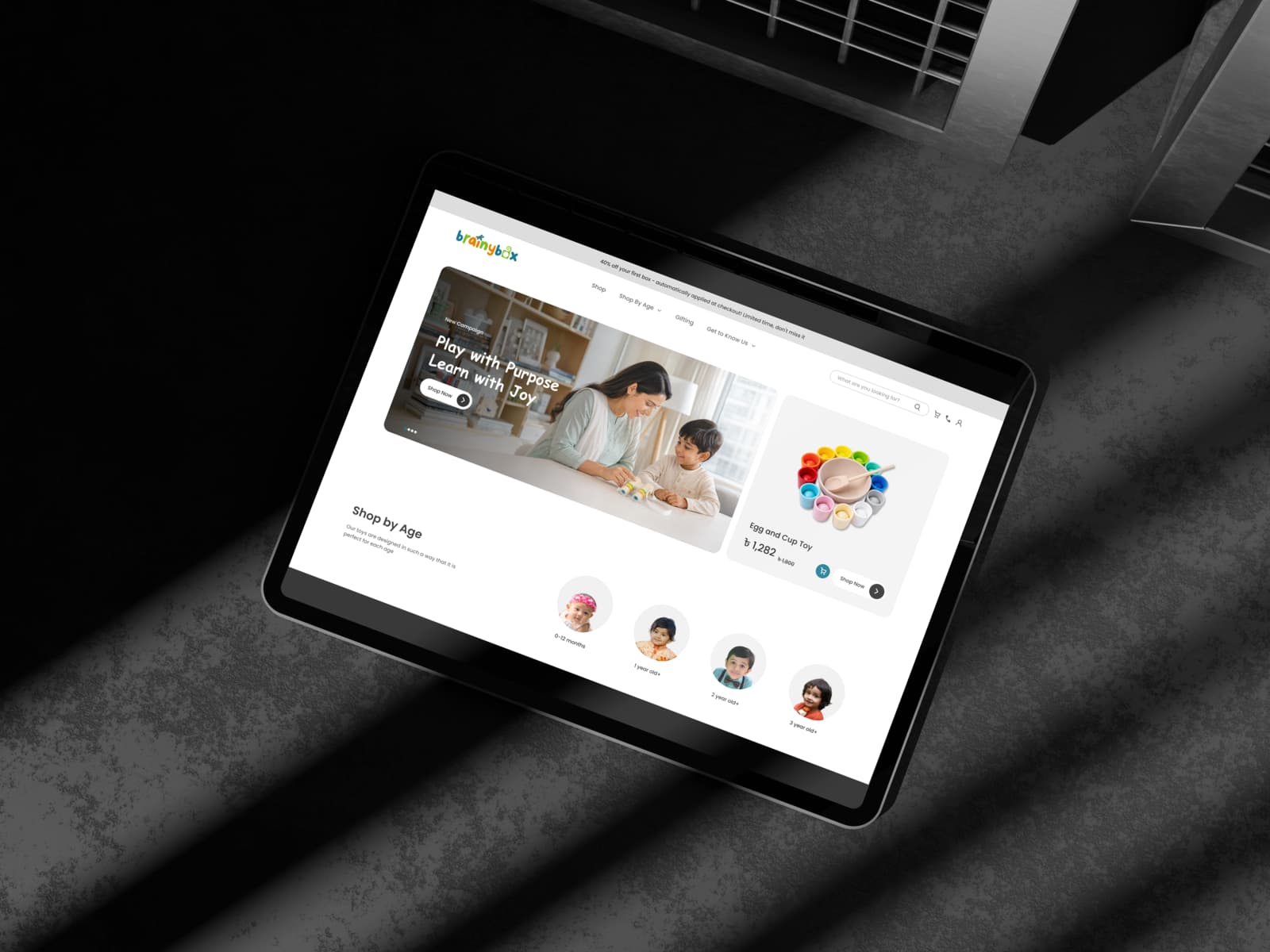
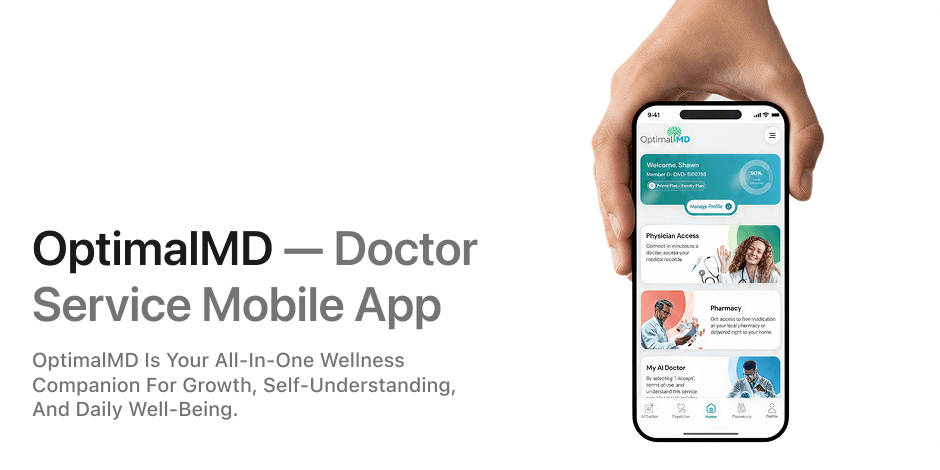
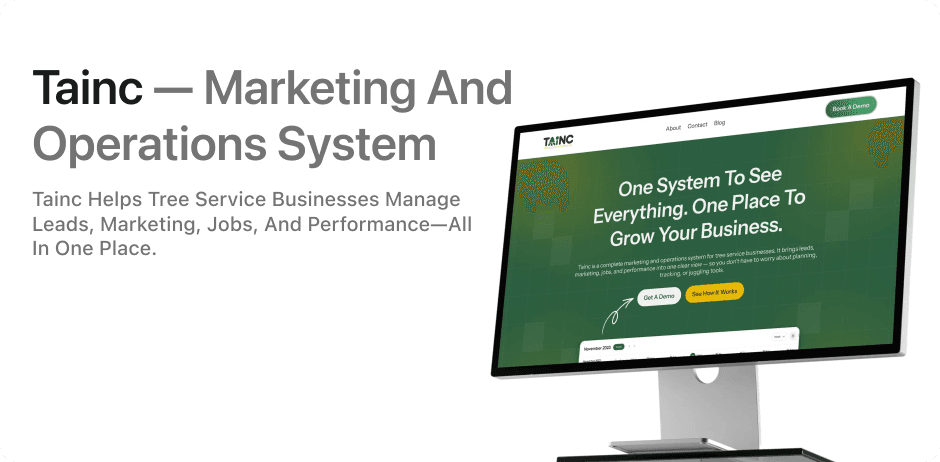
A strong middle east web design agency demonstrates it can build truly bilingual (Arabic/English) layouts while optimising for mobile as standard, handling local payment gateways and compliance without guesswork, and proving these claims using real live portfolios from your sector rather than mockups alone.
Government sites in Abu Dhabi must be Arabic-first. They must connect to tools such as UAE PASS. For e-commerce sites operating in Dubai, support for mobile shopping patterns and integration with local payment options are both critical.
Reliable agencies explain their process at every stage, discovery, design, development, launch, and put this approach in writing so both English and Arabic content remain equally important from day one.
What You Get from a Web Development Company Middle East
The web development company middle east field is crowded. It offers genuine expertise if you know what matters most. Whether you need an advanced e-commerce system or just a basic business site, you should focus on agencies with sector-specific live examples rather than just screenshots or overseas samples.
A trustworthy agency will specify exactly what's included in your project scope, and what will cost extra, in writing before work begins.
You should own all assets outright: domains, hosting accounts, codebase, CMS from day one.
Bilingual support should be tested on actual devices; never accept it as an afterthought or assumption.
Ask about post-launch support; look for documented plans covering both response times and maintenance costs so there are no surprises later.
If an agency can't say who worked on each portfolio item or dodges discussion about SEO or mobile speeds, your risk increases sharply. That's a real warning sign.
Understanding UAE Web Design Company Cost
The cost of hiring a UAE web design company depends more on your project's complexity than its location; while small template sites for start-ups occupy the low end of the range, large custom corporate builds or integrated e-commerce systems come at much higher prices due to their scope and requirements.
You can break general pricing into three bands:
Budget/freelancer: Template-based sites designed for early ventures or basic licensing needs, these are most affordable but least flexible.
Mid-market agency: Semi-custom CMS websites supporting bilingual features for established SMEs with defined processes behind them fall here.
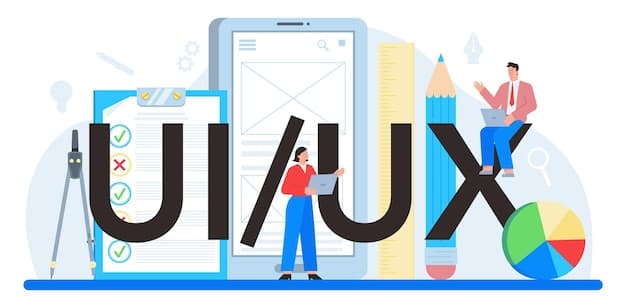
Enterprise/specialist: Research-driven UX/UI projects plus custom builds integrating advanced compliance used by government clients or major brands fit this tier.
The page count isn't everything for pricing. True Arabic/RTL support takes additional hours to do well, as does connecting regional payment gateways like PayTabs or Telr and preparing content strategies across two languages from day one; tuning performance for every screen size matters too. Accessibility requirements and proper SEO setup at launch also require time. These add up quickly.
Agencies with relevant experience list all these services transparently upfront; vague "all inclusive" deals lacking detailed written scopes often lead to costly change orders down the road.
The Process When You Hire Web Designers UAE
Before signing any contract with web designers uae teams should explain their process clearly. Expect questions about your goals, lead generation versus brand building matter greatly, and queries regarding integrations like bookings or CRMs, your required language setup (mirrored Arabic/English structures), as well as specific mobile needs unique to your business model.
You must always have clear ownership. Every login, from domains to hosting panels, plus code repositories and software licences transfers fully to you once payments are finished.
A typical project passes through phases: consultation or discovery comes first and leads directly to wireframes; then UI/UX design follows with multiple iterations until approval; next comes development itself; after that content gets integrated across both languages before testing occurs on all devices, launch closes this out but full handover documentation is crucial for peace of mind.
Maintenance isn't optional. Sites require updates for security fixes plus ongoing marketing tweaks so make sure this phase is specified clearly in any plan you sign.
Navigating Freelancers Versus Agencies Versus Marketplaces
You have options: hire solo freelancers who work alone; choose established agencies that provide full teams; or turn to global marketplaces offering both models under one roof, with each route presenting its own trade-offs depending on your risk appetite and needs.
Freelancers may move faster at lower costs but might lack backup when problems arise later; agencies provide continuity however their rates reflect a larger structure above them; marketplaces offer variety but quality still varies so reference checks always matter regardless.
No matter which route you take, an experienced freelancer for small jobs versus an established studio handling complex projects, the rules remain unchanged: insist on reviewing live work matching your sector needs; demand clear legal ownership over every asset; ask for detailed scope change policies upfront; clarify support terms well before starting anything major.
Never pay all fees upfront unless industry practice absolutely demands it due to minimal job size alone.
Pitfalls to Avoid With Any Middle East Web Design Agency
Avoid rushing into hiring based solely on headline price or branding promises since many clients regret skipping questions about code ownership rights beyond designs themselves. Others regret agreeing to date-based billing instead of milestones tied directly to deliverables they can track at each stage.
Weak post-launch arrangements where vendors vanish after handover present another common problem companies face all too often. Treating bilingual support as just automated translation, not fully mirrored layouts thoroughly tested live, leads to unexpected issues every time.
If an agency won't define what happens when changes come up post-launch, or blocks direct contact with previous clients whose live sites you'd like to check out, that's always worth learning up front before you sign anything major.