














Ask ChatGPT to recommend a doctor nearby, and there's a good chance your favorite local practice never comes up. A healthcare AI search case study from the Medical Group Management Association tested exactly that scenario in May 2026. The results are worth reading before you assume a working website is enough.
Patients aren't waiting for practices to catch up. A Pew Research Center survey fielded in late June 2026 found that 34% of U.S. adults now use AI chatbots for at least one health-related task. Checking a symptom. Understanding a diagnosis before the next appointment.
Nearly half of those users called the answers extremely or very helpful. Whatever practices think of AI search, patients have already decided it's worth asking.
What This Healthcare AI Search Case Study Found
MGMA's researchers ran roughly 4,950 patient-style prompts against 200 independent practices. Not one practice showed up both named and cited in the answers. Zero out of 200.
A separate poll the same organization ran in June 2026 explains part of why. Just over half of practices, 55%, have no strategy for AI search visibility at all. Most of the rest do have one, and a small share weren't sure either way.
Practices without a plan pointed to the usual constraints. Not enough time, tight budgets, and no one on staff who understands how AI search actually works.
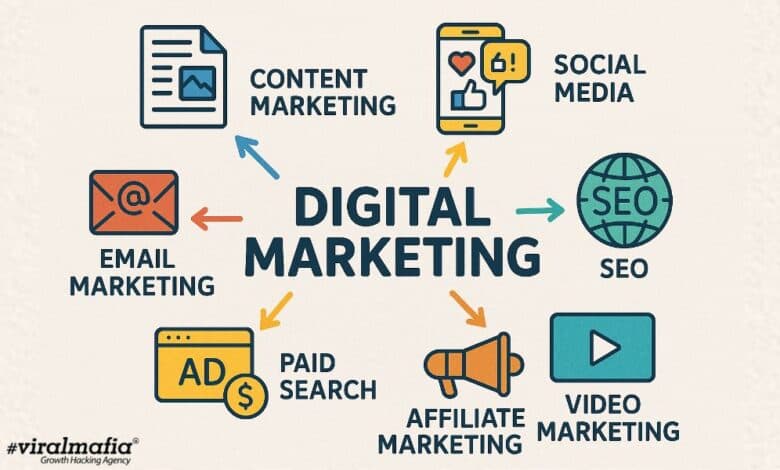
That hesitation is understandable. It's also costly, since the practice that shows up when a patient asks ChatGPT about a symptom gets the appointment the slower competitor never had a chance to win. Closing that gap starts with the same groundwork behind any digital marketing and growth plan.
What Actually Earns an AI Citation
Search Engine Land's 2026 guide to generative engine optimization is specific about what changes the odds. Open each section with a direct answer, then add context after it, so the passage still makes sense if an AI system lifts it out on its own.
A few changes matter more than the rest:
- Add FAQ sections built from real question-and-answer pairs, since AI engines lean on that format when assembling a response.
- Mark up pages with Article, Organization and FAQ schema so the structure is machine-readable.
- Check that GPTBot and ClaudeBot aren't blocked in robots.txt, which happens more often than practices expect.
- Keep provider bios and an About page current, since AI engines weigh outside mentions over what a site says about itself.
That last point trips up more practices than any other. AI engines favor earned coverage, a local news mention, a listing on a trustworthy directory, over anything a homepage claims about itself. That kind of ongoing upkeep is where automated content workflows tend to outperform a one-time rewrite.
Where to Start This Week

MGMA points to three starting moves that don't need a marketing budget. Run a 30-minute audit using prompts a patient would realistically type. Match practice details everywhere they're listed online. Rewrite service pages in plain language instead of clinical terms.
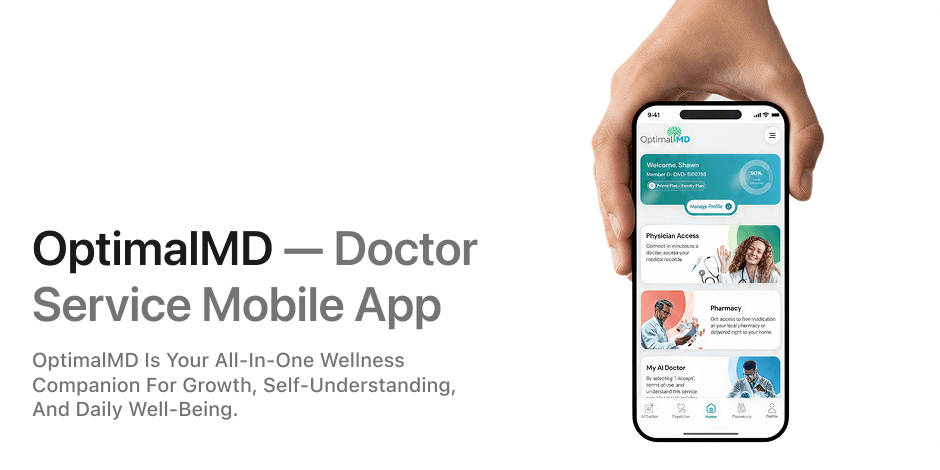
None of that guarantees a citation. But a practice that can't be found in a single one of 4,950 realistic prompts has nothing to lose by trying. Getting the right information in front of the right person was the whole point of our accessibility work with OptimalMD, and it's the same problem AI search visibility solves when it works.
Retail brands are living through a version of the same shift. We've written about how structuring content to be the answer instead of just a result matters there too. For a practice weighing where to spend limited time, that's the useful starting point: fix what shows up when someone asks, before worrying about anything else.
Cover photo by Vitaly Gariev on Pexels
Sources
- Can AI find your practice when patients ask? — MGMA
- From diagnoses to treatments: Why Americans use AI chatbots for health — Pew Research Center