
















Estimating ecommerce SaaS MVP cost starts with three checkable numbers, not one all-in quote: what a platform like Shopify takes off your merchants' revenue, what Stripe charges per transaction, and what a developer bills to wire the two together.
Skip any one of them and the number you land on is fiction.
Start with the build itself. Clutch, which pulls its numbers from verified client reviews, tracks typical software project costs at $10,000 to $49,999, billed at well under $50 an hour for most development shops.
A scoped MVP sits toward the low end of that; a full platform with every feature you can imagine sits toward the top.
What Drives Ecommerce SaaS MVP Cost

Photo by Antoni Shkraba on Pexels
If the product plugs into Shopify stores rather than replacing them, the platform sets real costs before a line of code gets written. Shopify draws a line between custom apps, built for one client and unable to bill through Shopify's own tools, and public apps listed in its App Store.
Public apps can charge merchants through its app billing system, which handles fixed subscriptions, usage-based billing and combined plans, though it doesn't support one-time purchases yet.
Shopify also cuts developers a break most founders don't factor in. Eligible developers pay a reduced 15% share, dropping to zero on the first $1,000,000 a year in app revenue, a change that took effect at the start of 2025.
Every public app still clears a review process first, moving through draft, submitted and reviewed states, and Shopify warns that any app might be selected for an audit against its published requirements.
Payment processing adds a separate line entirely. Stripe's standard published rate runs 3.4% plus $0.50 per successful domestic transaction, and recurring billing through Stripe Billing adds another 0.7% of billing volume on top.
None of that is optional. A subscription product that can't bill merchants isn't an MVP, it's a demo.
| Line item | What it costs | What it buys |
|---|---|---|
| Development (Clutch) | $10,000–$49,999 typical, under $50/hr | The build, scoped to an MVP feature set |
| Shopify app revenue share | 15%, 0% on first $1M/year | Distribution through the Shopify App Store |
| Stripe processing | 3.4% + $0.50 domestic | Card payment processing |
| Stripe Billing | +0.7% of billing volume | Recurring subscription billing |
| AWS Activate credits | $1,000–$100,000 | Offsets hosting and infrastructure spend |
Where the Budget Can Actually Shrink
Infrastructure is the one line a founder can claw back before writing a check. AWS Activate offers startup credits from $1,000 for self-funded or pre-Series B companies founded within the past decade, up to $100,000 for startups already connected to an Activate Provider.
That credit runs against hosting and compute spend. It doesn't touch the platform fees above, since those scale with revenue rather than with how efficiently the MVP was built.
Maintenance is the cost most first-time founders forget to plan for at all. Clutch's guidance is to budget 15% to 25% of the build cost every year just to keep the product secure and running, before a single new feature ships.
Put together, a working ecommerce SaaS MVP is rarely one number. It's a build scoped to a genuinely minimal feature set, a Shopify share that only bites once real money is coming in, a Stripe fee from day one, and upkeep that starts the moment the product launches.
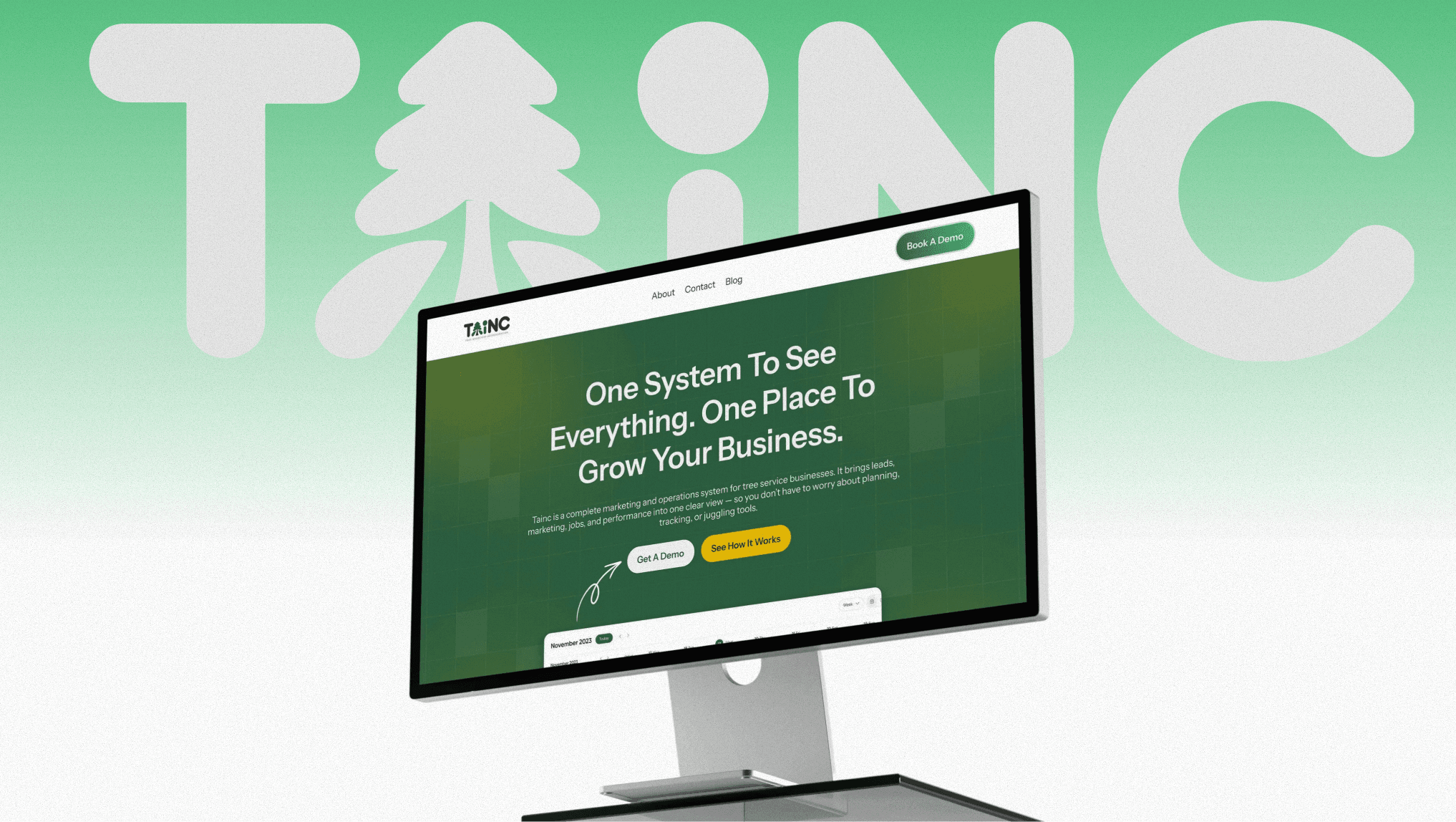
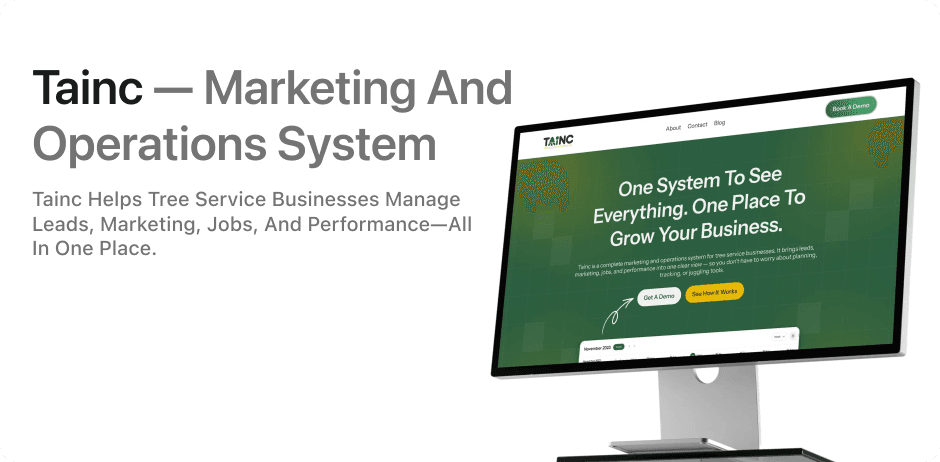
Our Apps & SaaS team scopes each of those separately before quoting a build, the way billing and integration costs were scoped alongside the feature list on an all-in-one growth platform built for tree service businesses.
If the product needs to sit on top of an existing storefront rather than replace one, our Web & E-Commerce team can scope that integration on its own.
Once the MVP is live, the budget conversation shifts again, which is worth reading in how SaaS startups actually earn their first reviews.
Cover photo by Sergey Meshkov on Pexels