











Los Angeles Unified spent $4 million building an AI chatbot named Ed, then signed a $6 million, five-year contract with the company running it, and shut the whole program down inside three months.
Any honest education AI automation case study has to start with a failure like that one. The wins only make sense sitting next to it.
Ed launched on March 20, 2024, built as a single assistant for parents and students in roughly 100 languages. It pulled together grades, attendance, and test scores to generate individualized learning plans for students across the district.
By June 14, AllHere Education, the company behind it, had furloughed most of its staff and LAUSD terminated the contract on the spot. An investigation into the deal later led FBI agents to raid the superintendent's home and office.
A Narrower Bet That Held Up
Compare that with Jill Watson, the AI teaching assistant Georgia Tech professor Ashok Goel built for an online course. Demand from students was the problem: the course generated close to 10,000 forum messages a semester, more than the teaching staff could keep up with by hand.
Goel's team fed Jill the questions the course had generated since 2014, then had her answer only when she was confident in the response. Students didn't find out she wasn't human until months later.
Jill never touched grading or curriculum planning. She answered the same narrow set of logistics questions, over and over, which is precisely the kind of repetitive job worth handing to AI and automation instead of leaving to a person.
One task, done well, beats a whole department's judgment handed to a single chatbot.
Automation That Shows Up in Enrollment Numbers
Jacksonville State University took a similarly narrow approach with recruitment texting. It rolled out the Mongoose platform in 2019, tied into its Ellucian Recruit CRM, to automate outreach to prospective students instead of leaving it to staff sending messages one at a time.
Message volume grew from 125,374 texts in 2019 to 493,096 in 2022, without a matching increase in recruitment staff.
Enrollment climbed steadily over that same stretch, and the university set records in three of the four years it ran the program, according to Mongoose's account of the rollout.
| Program | What was automated | Outcome |
|---|---|---|
| LAUSD's Ed (2024) | Grades, attendance, and personalized plans for every student | Shut down within three months when the vendor collapsed |
| Jill Watson, Georgia Tech (2016) | Answering repeat forum questions in one course | Ran for years, freeing teaching assistants from repeat questions |
| Jacksonville State + Mongoose (2019-2022) | Recruitment texting to prospective students | 28% enrollment growth, records in 3 of 4 years |
What an Education AI Automation Case Study Actually Shows

Photo by Pavel Danilyuk on Pexels
The programs that held up automated one specific, repeatable task and left the judgment calls to people.
What failed instead tried to replace a whole layer of district staff at once, on a five-year contract with a single outside vendor the district had no way to backstop once the money ran out.
That's a build-versus-buy question as much as an AI one. Software built around a district's or a company's own workflows, the kind covered under apps and SaaS, doesn't leave you stranded the moment one vendor runs into trouble.
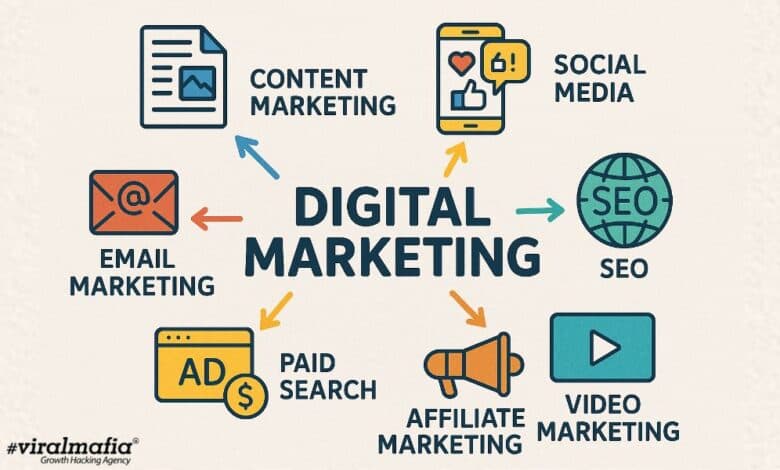
Targeted outreach automation, the sort Jacksonville State ran, is really digital marketing and growth work wearing an AI label.
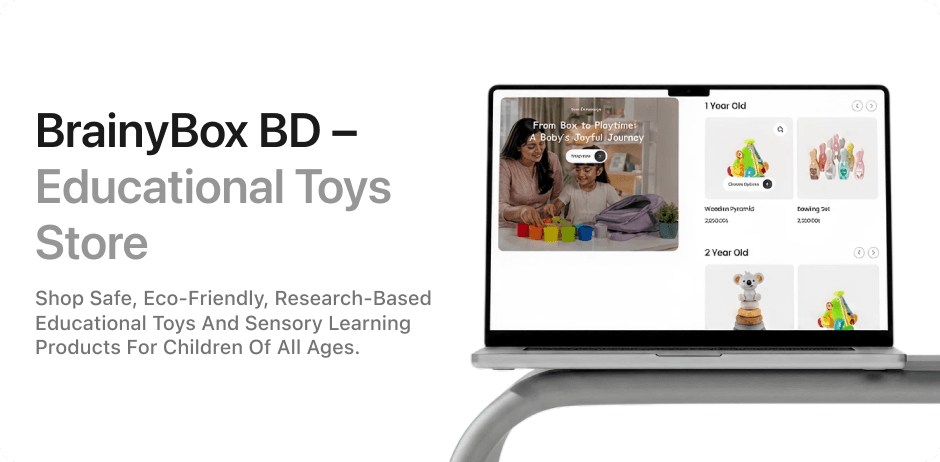
We've done related work in the education sector too, including designing an eco-friendly educational experience for a client. The lesson from Ed, Jill Watson, and Jacksonville State points the same direction: find the one repetitive task actually costing staff time, automate that, and keep a person in charge of the parts that still need judgment.
Cover photo by Google DeepMind on Pexels
Sources
- Ed (chatbot) — Wikipedia
- Artificial intelligence course creates AI teaching assistant — ScienceDaily