














Citizens Advice wants UK banks, energy suppliers, and phone and internet providers to guarantee customers a right to talk to a human being.
The charity found that almost half of the people who'd used a chatbot came away calling it unhelpful, and only 20% of UK adults said they'd pick one as their first way to get help.
That gap matters because AI chatbots for customer service have become the default front door for account problems, billing disputes and cancellation requests. Citizens Advice says too many of those doors lead nowhere.
Why Citizens Advice Is Drawing a Line
The charity's policy director, Tom MacInnes, put it bluntly: going round in circles with a chatbot is more than an annoyance, it can amount to a blockade on essential services.
Twenty-seven percent of people who got stuck trying to reach a human said they felt powerless to fix their own problem. Others simply walked away from a billing dispute, a debt query or a homelessness application rather than keep arguing with a bot.
Citizens Advice's research into digital exclusion puts the number of affected UK citizens at 14 million. For them, a chatbot that can't escalate is the only door available, and when it's locked, there's nowhere else to turn.
The Same Pattern Shows Up in US Banking Data
The US Consumer Financial Protection Bureau reviewed chatbots across the banking sector and found the same failure under a different name. It calls the pattern a "doom loop": a bot that keeps asking the same questions or redirecting to an FAQ page without ever resolving anything.
The CFPB found that 78% of customers needed a human's help after their chatbot interaction failed to solve the problem in the first place.
Banks keep leaning on the technology anyway. It's far cheaper to run than a call center staffed by people, which is exactly why the incentive to point customers at a bot stays strong even when the bot can't actually help.
Where AI Chatbots for Customer Service Actually Earn Their Keep
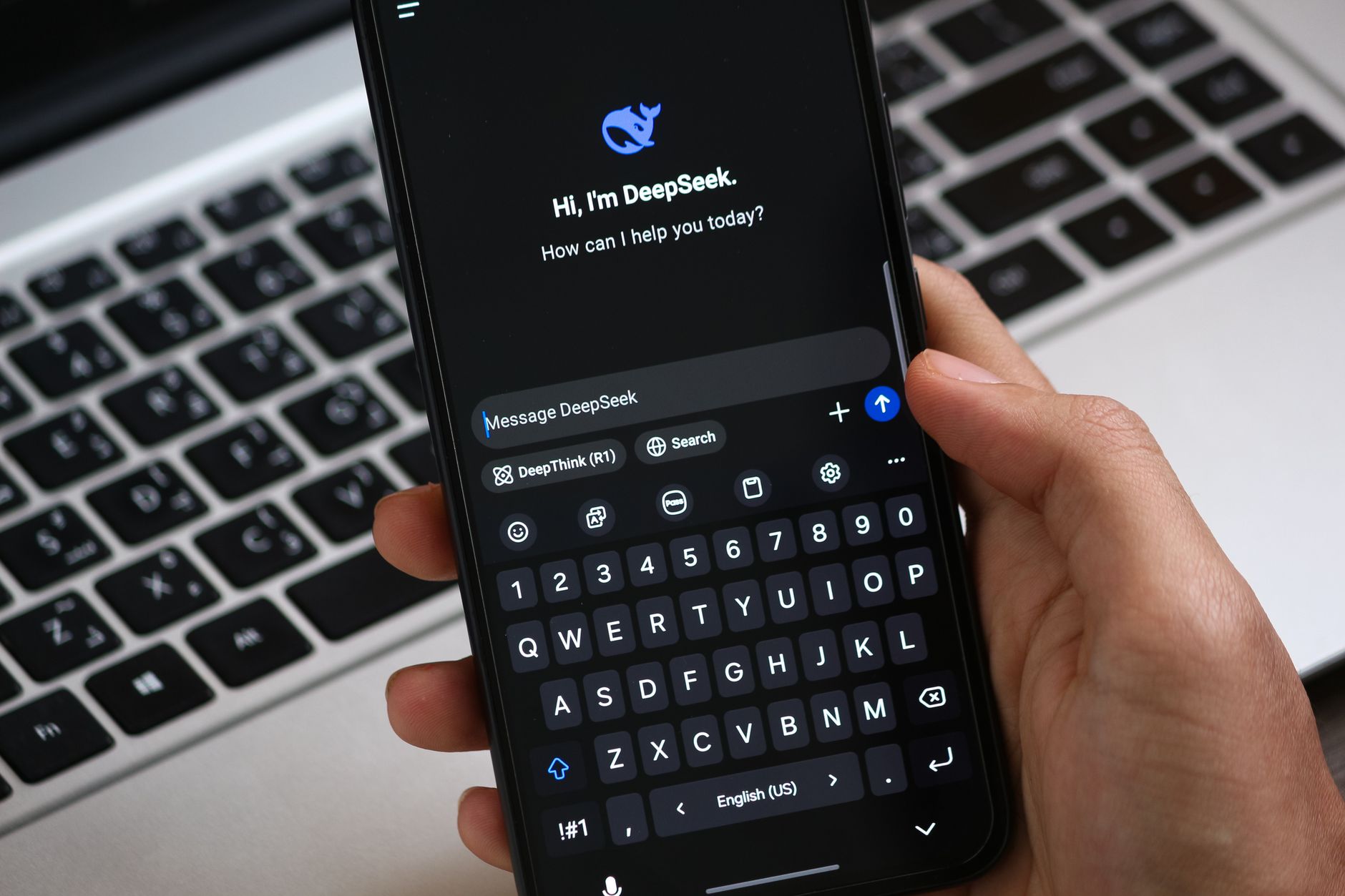
Photo by Abdelrahman Ahmed on Pexels
None of this makes the technology worthless. An analysis of contact-center bots found they handle roughly 80% of routine, high-volume requests well: order tracking, refund status, simple account questions, the kind of thing that doesn't need judgement to answer.
The problem is a bot left to handle a dispute, a bereavement, or a service cancellation it was never built to read the tone of, while a routine FAQ still gets answered just fine.
That's a design problem. It's the same distinction we work through with clients building AI and automation into their own support workflows: automate the repetitive layer, and build a fast, honest handoff for anything with real stakes attached.
A chatbot that can't tell a routine question from an urgent one leaves a cost behind for someone else to find. Staff end up unpicking what the bot got wrong or missed, the kind of hidden expense we've written about in the real cost of AI at work.
Getting the escalation path right is as much a job for UI/UX design as it is for the AI itself: the exit needs to be as easy to find as the entrance.
The businesses getting this right treat the right to a human as a release valve, the thing that keeps the other 80% of automated interactions from turning into a liability instead of a saving.
Cover photo by Airam Dato-on on Pexels