









How Home Service Customer Journey Mapping Shapes the Business
Winning in home services isn't about having the flashiest website or spending the most on ads. The businesses that thrive guide prospects step by step, starting with spotting a problem and searching for answers.
This continues through reaching out for help and then through everything that happens after the work's done.
Home service customer journey mapping puts this entire process under a microscope, which helps you see when people drop off, what gives them confidence, and which steps bring repeat business.
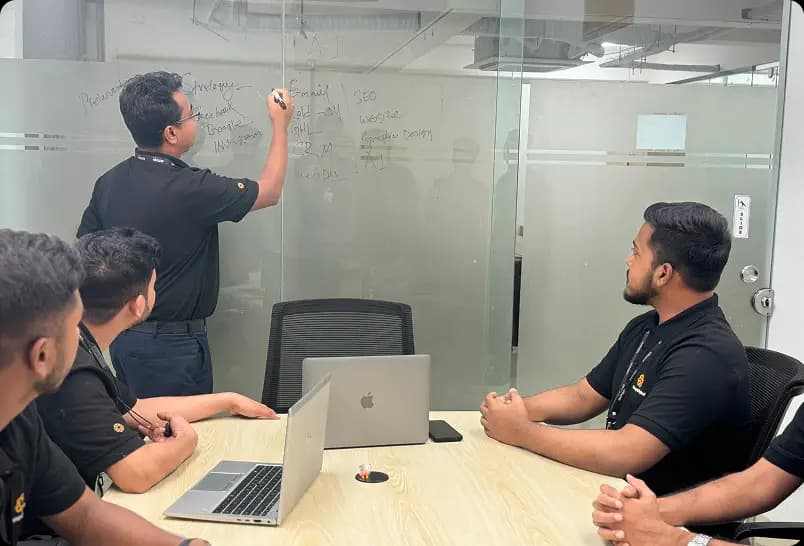
You don't need a complicated system to start mapping. Vonigo suggests gathering your team around a whiteboard to sketch each stage, from awareness through advocacy. Doing this helps you see each customer touchpoint and learn what people are thinking and feeling at every moment, why some stick around and why others don't.
The Stages of a Home Service Business Customer Journey Map
Most frameworks break down the journey into five stages. This structure works for emergency repairs, scheduled upgrades, or long-term maintenance contracts:
When a customer notices a problem or plans a project, maybe there's a burst pipe, an unreliable boiler, or they've decided to remodel, their first action is usually an online search or asking friends for advice.
At this point, people compare options by reading reviews, checking your credentials, and weighing costs as well as timelines. The clarity of your website, and how many reviews you have, can be make-or-break factors.
During booking, by phone or form, speed matters greatly because Invoca found that 79% of consumers choose whichever company replies fastest.
After the job finishes, following up still matters. Automated emails or reminders keep your business top-of-mind when another need pops up later on.
Satisfied customers leave reviews and refer friends more often than not. These referrals mean your next lead costs less to win.
Each phase has its own indicators: digital impressions show awareness; sessions and calls track consideration; booked jobs demonstrate purchase success. If you measure these at every step as Vonigo recommends, you'll see exactly where leads go missing or satisfaction dips.
Home Services Customer Touchpoint Optimisation in Practice
A map only makes a difference if it changes how you work. Always start with your most important moments, the first call is almost always one of them.
CallJolt points out that most prospects disappear forever if calls aren't answered fast enough or if staff sound unhelpful during contact.
Speed wins in this industry: Invoca's Buyer Experience Report 2026 notes that over three-quarters of customers walk away from brands who reply too slowly after an enquiry.
Speed isn't everything; relevance at each stage matters too. On first contact, answer quickly and use their name every time. Ask questions to clarify needs, then confirm bookings in writing for extra trust. During service delivery itself, arrive when promised and communicate clearly throughout each visit. Finish neatly so customers trust what you've done once the work ends.
Follow up within two days to check things are working well after service is complete, and ask for reviews while satisfaction is fresh in their minds. To encourage loyalty later on, set reminders for maintenance clients or offer referral bonuses so happy clients remember you again and recommend your business further.
If delays come up, like slow responses or project confusion, these are real chances to make immediate improvements that matter to clients directly. Renovation firms smoothing these transitions see steadier inquiry rates and more predictable project schedules as a result.
The Home Repair Customer Journey Lifecycle: Why Details Matter
The path from first need through repeat bookings looks different for each trade but always brings its own risk points along the way. With urgent repairs such as plumbing failures or broken heating systems, slow response often means losing a lead within minutes, which can cost you dearly over time.
For less urgent services such as renovations, clear information about schedules and cost guides, and showing real projects, builds trust before anyone ever makes contact with your team.
The UK government's published journey map shows how information overload stops many customers early on. People search widely but get stuck facing scattered details or unclear prices along the way; most never reach out because no page brings it all together with relatable examples anyone can understand.
This points to practical ways to improve conversion: publish clear process walkthroughs like "What happens after I book?" prominently; use mobile-friendly forms with just a few fields required; highlight social proof in visible places across your website so prospects move from research into booking, and later become advocates themselves.
Customer Journey Mapping Home Services: Methods That Work
If you're creating your first map, or updating an old one, bring in people from every role in your company instead of working alone at your desk. Dispatchers know which calls are lost for good; technicians see which jobs turn into glowing reviews versus refund disputes down the line; marketers notice where digital leads disappear without explanation behind the scenes.
The usual process goes like this:
Create columns for each major phase from awareness through advocacy on your whiteboard or spreadsheet now, not later.
Add actions at every stage (for example: call answered within three rings) right away so nothing is missed during mapping sessions.
Use real feedback from surveys or conversations to note customer feelings, confusion while researching options, annoyance over unclear prices included, with honesty above all else.
Map all touchpoints (phone calls, emails, SMS messages, web forms), marking which drive conversions (the first response almost always matters most).
Track key metrics at each phase so you can pinpoint exactly where prospects drop out, whether missed calls hurt more than lost deals further down.
You don't need industry averages for everything; it's much more useful to watch how your prospects act between submitting a form and scheduling their consultation each time it happens. Then track which moments turn survey feedback into public recommendations instead of silent lost customers who never return again.
The Role of Fast Feedback Loops in Home Service Journey Maps
A map only works if someone acts on what it shows afterward, not just if it exists on paper somewhere in the office.
AskNicely's research from 2026 shows only 36% of companies reply to feedback inside one day, even though most customers expect acknowledgment within 24 hours after they reach out.
Businesses closing this gap fix problems before they grow larger, and give field staff live insights instead of letting data sit with managers alone until it's too late. Integrating feedback platforms so technicians get ratings instantly not only keeps more customers coming back but also boosts technician morale, as Shine's team found using AskNicely tools daily across departments.
Your Next Steps in Customer Journey Optimisation
The best improvements come from combining focused tech investment and targeted training, not just automating everything blindly without thinking about consequences.
Bloom's 2026 industry analysis found companies applying AI with care, not simply installing bots everywhere all at once, outperformed those automating every front-line job without considering customer experience effects at any step.
Large operators use fewer AI features but still enjoy better margins than mid-market rivals who automate more tasks, a reminder that moving fast means little if it doesn't serve your mapped journey first.
If practical changes are coming up now:
Target technology at low-friction points such as automated reminders while keeping skilled people involved where trust closes sales, especially resolving emergencies quickly every time one arises.
Link KPIs directly back to each mapped touchpoint so you know exactly where minor tweaks can drive big revenue growth for your business today.
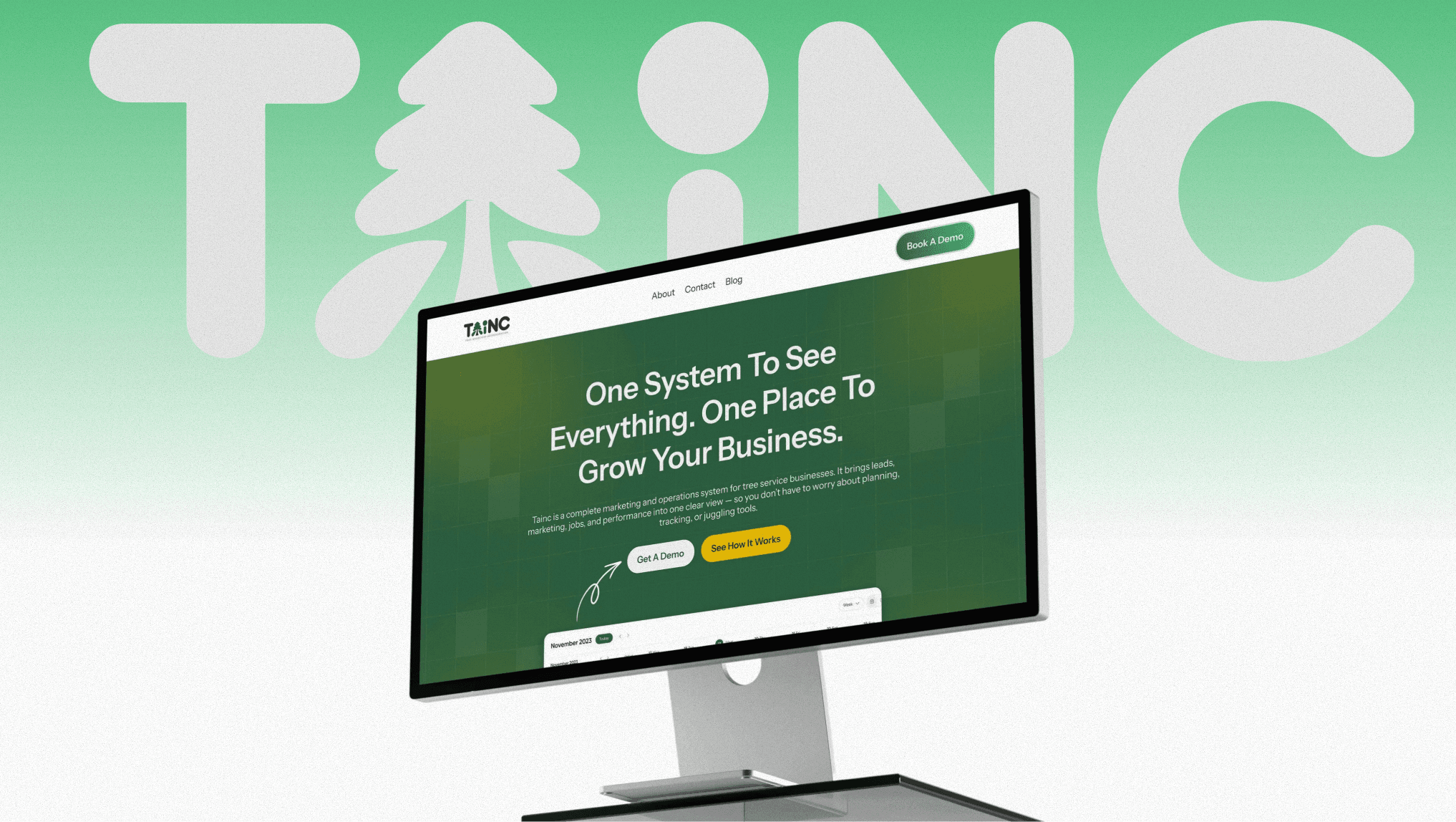
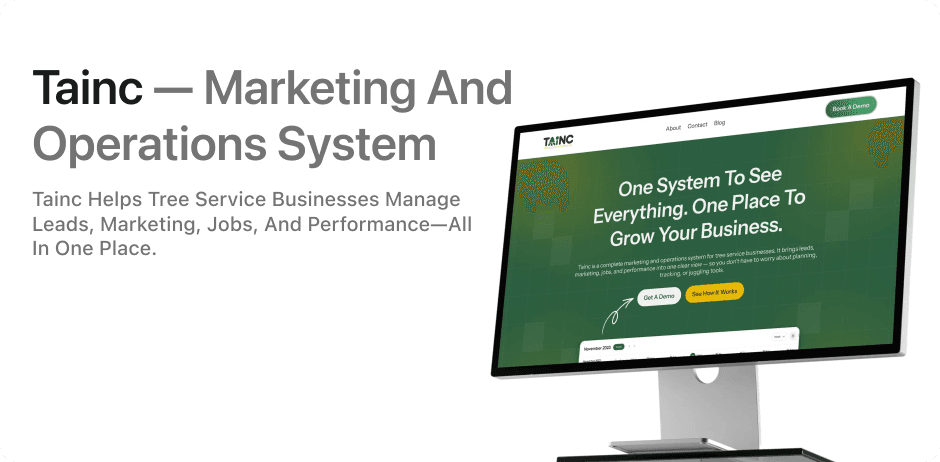
You'll find deeper guidance on digital strategy in our articles covering web & e-commerce projects, AI & automation solutions, and through examples like our tree services platform case study overview.
Treat Your Map as a Living Tool, Not a Document on a Shelf
A static map is quickly forgotten. It misses shifts like new consumer search habits or growing AI adoption cited by Invoca's 2026 report.
Review every stage regularly using new metrics such as peak-hour call answer rates.
Check bookings by channel and review counts by team member too. Direct feedback spots problems sooner, but also reveals growth opportunities others ignore. Successful businesses revisit their journey maps several times per year instead of once then forgetting them completely.
They fold those lessons into marketing budgets plus ongoing training for frontline staff so nobody wonders what today's customer needs most anymore.
Treating customer journey mapping as active work lets home service companies deliver standout experiences consistently, and ensures operational improvements turn directly into profit over time.
Cover photo by Kampus Production on Pexels