
















What AI Automation for Customer Service Really Delivers
AI automation for customer service is now resolving a substantial share of support queries, end to end, with many live deployments managing between 41% and 70% of incoming tickets without any human involvement at all. That's a significant change from earlier systems.
Older tech focused mainly on speed or redirecting calls. Now, customers expect fast, accurate answers and want their problem fixed the first time they make contact.
The best AI automations go well beyond just answering questions, as they process refunds, update account details, escalate tough cases with full context attached, and give personalised advice across channels.
As platforms connect AI closely with backend tools, integrating knowledge bases, CRMs, order management and ticketing software, the automation moves past generic replies. More problems actually get fixed. Businesses see measurable value as a result.
How AI-Powered Customer Service Works in Practice
When someone describes a problem using chat or another digital channel, the typical automated customer service experience begins with the AI picking up on intent using natural language processing (NLP) and sentiment analysis. It checks available information such as order history or account status before generating a response or triggering the right action.
If the request can be resolved immediately, like updating an address or tracking a parcel, the AI does it at once so that customers don't wait.
When issues are unclear or need more details, advanced systems ask follow-up questions or pass the case to a human agent with all previous conversation attached to save repetition and frustration, unlike older chatbots that forced people to start over.
The more these systems learn from past conversations, the better they handle similar issues in future. That brings down re-contact rates. Support gets faster. Responses stay consistent. Modern solutions now cover live chat, email, social apps, phone calls and proactive notifications so customers can reach out anywhere.
Key Benefits: Speed, Consistency and Cost Reduction
The main gains from ai automation for customer service are measurable, starting with speed, as average first responses have dropped from hours to minutes (or even seconds for simple requests), while full resolution times also fall sharply.
Consistency matters too because automated replies are based on approved sources and business rules so mistakes from manual work or missing information are reduced.
- The cost per resolved support ticket averages about $5 with AI integration included; a similar issue handled by humans costs about $30 each. High-volume teams see an 80–90% reduction on tickets that qualify for automation.
- Customers can get help at any time in any time zone without waiting in queues or being held back by staff shifts since availability never switches off.
In some sectors this around-the-clock access is now expected as standard. Bank of America's Erica virtual assistant manages two million daily interactions and usually delivers answers within 44 seconds, a striking figure given it resolves as much as 98% of queries without human backup.
AI Performance: What the Benchmarks Show
The impact of automation depends mostly on what kind of issue you try to solve; when requests use structured data such as checking order status in e-commerce or handling standard billing queries in fintech, resolution rates land between 70% and 84%.
In sectors where cases aren't clear-cut, telecoms or healthcare, rates are lower at 40% to 60%, since those often need human judgement or compliance checks.
Customer satisfaction scores (CSAT) on cases handled by AI run five to ten points below those managed entirely by humans working on the same team; still businesses report overall CSAT improvements after deploying automation because routine problems get solved faster. This is especially true where queues used to make customers wait a long time for answers.
Klarna's OpenAI-powered assistant automates two-thirds of customer chats and brought faster replies plus higher user satisfaction on straightforward tasks during its rollout phase. Both Klarna's experience and Bank of America's show that complex disputes or sensitive conversations still need skilled human agents available, smooth escalation routes must exist so quality does not slip when things get complicated.
Caveats: Data Quality Drives Success
The most important lesson from real-world projects is simple: strong data matters more than platform choice for scalable success because companies that organise their knowledge base around customer needs get much better results than those hoping an out-of-the-box tool will learn everything by itself.
Poor preparation costs real money here. Reviews of failed automation rollouts show over sixty percent fell short because data was not prepared well enough, not due to technical weaknesses in the chosen software stack. Investing early effort in accurate documentation pays off much sooner than switching vendors later hoping for improvement.
The Practical Stack: Layers of Modern Customer Service Automation
To work well at scale, ai automation for customer service depends on five main layers working together:
- A well-structured FAQ lets both customers and AIs cut simple ticket volumes quickly.
- Chatbots answer questions live using company knowledge plus connections into orders and accounts; success often comes once they hit about 60% resolution before expanding further.
- When inbound emails arrive AIs scan them for intent then draft smart replies or route them accurately, even basic coverage saves major manual labour especially in B2B setups.
- Automated phone lines handle urgent but easy requests instantly, for example order status, so staff can focus on harder issues instead.
- CRMs update automatically; unresolved cases transfer smoothly without losing context; every channel stays aligned so customers do not fall through cracks.
The organisations seeing the best results introduce these layers one after another rather than all at once, often starting with high-volume chat before branching out as they build confidence in each new system layer.
If human expertise is needed most, escalation must remain simple throughout.
Measuring ROI and Avoiding Pitfalls
The numbers that count aren't just how many tickets get diverted away from agents. They're how often customers leave satisfied so they don't come back about the same problem later.
Key indicators include genuine resolution rate rather than deflection alone; CSAT changes between automated versus human cases; reductions in average handle time; true cost per resolved contact including repeat visits avoided; shifting agent workloads toward complex work instead of routine sorting; whether handoffs happen smoothly whenever AI runs out of depth.
Poor outcomes usually come down to one thing: launching bots before cleaning up knowledge content; automating flows but missing closure; skipping fast escalation options when issues are too hard for current AIs.
Banking giants like Bank of America, and major e-commerce operators, show that investment in good integration pays back quickly after launch. Agents get new training too: they become supervisors managing ongoing improvements between people and technology.
For industry-by-industry examples, including healthcare bots reducing call loads, retail assistants upselling while fixing orders, voice AIs tackling thousands of overnight calls, see Cobbai's review of sector deployments.
Selecting Platforms That Match Your Channels & Data Stack
No single product fits everyone's requirements equally well. For highest performance, choose solutions covering multiple channels natively, chat, email and voice, and that plug directly into your existing stack like CRM/ERP/ticketing instead of creating more silos.
Teams can take control through visual builders so updates keep pace as products change.
Strong implementations always meet security needs from day one so user trust builds over time.
You might pursue full-automation where possible or use hybrid models letting agents handle tricky work while AIs sort basic volume.
But either way there's pressure now to modernise operations fast to avoid falling behind financially, or failing rising customer standards year after year.
If you want benchmarking details, including industry-specific costs per resolved ticket plus satisfaction differences by sector, read Aissist.io's independent data synthesis.
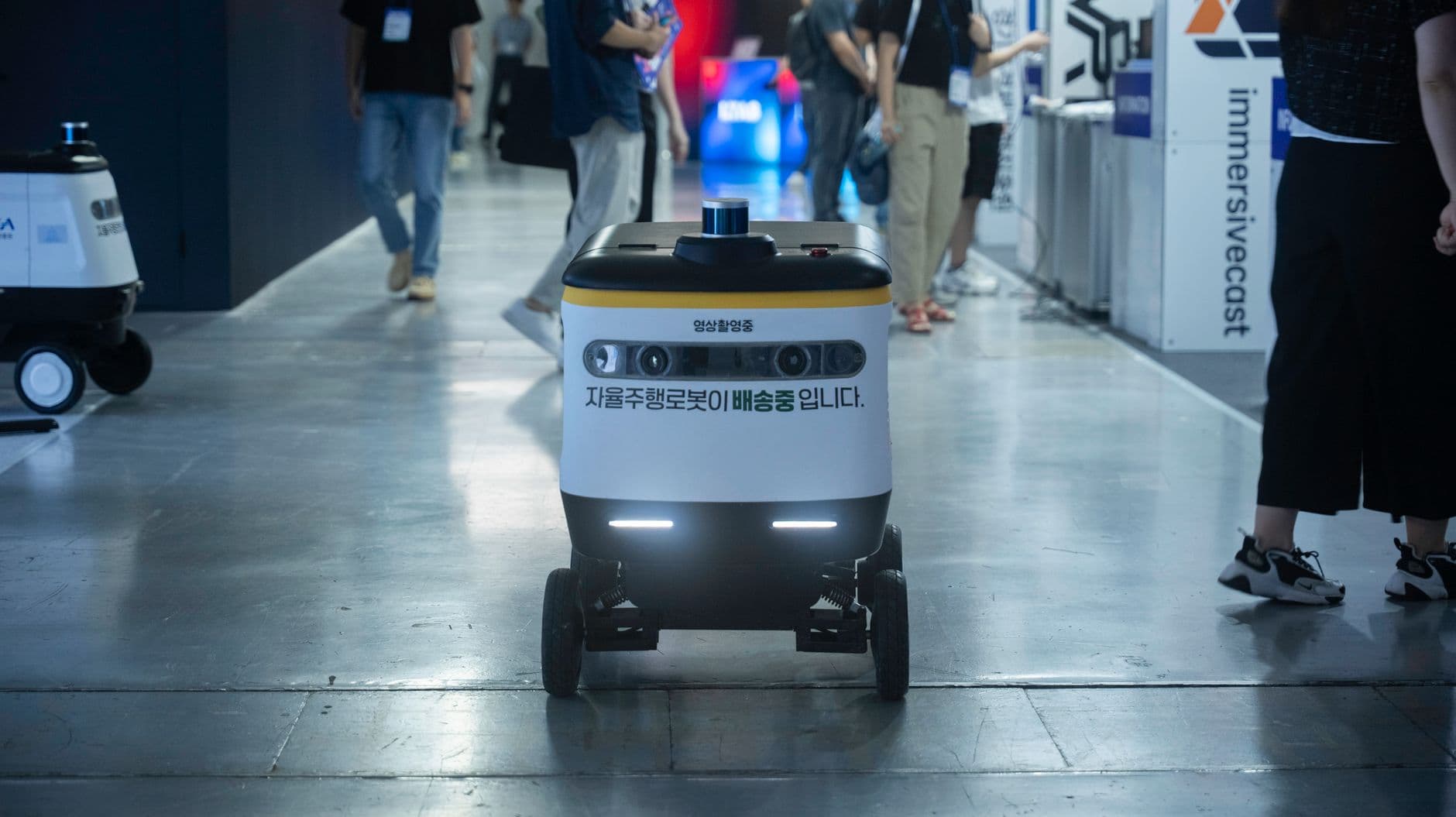
Cover photo by Youn Seung Jin on Pexels