











YouTube announced this week that its conversational search tool, Ask YouTube, is adding an AI shopping search layer built for people comparing products. Search Engine Journal reported that when someone searches for a product review, the tool now organizes results into comparison tables.
Those tables show attributes and categories pulled straight from the videos themselves. Once a viewer picks a review to watch, they can ask follow-up questions about that exact product without leaving the page.
The feature launched at YouTube's Made on YouTube event on September 23, 2026. A custom Gemini model powers it, matching a viewer's question to the specific second in a video where the answer sits, according to TechCrunch's reporting on the launch.
How YouTube's AI Shopping Search Works Right Now
Right now, the comparison tables are experimental. They're limited to a small group of English-language searchers in the US, on computers, phones and TVs.
The watch-page follow-up questions already reach a much wider group: signed-in users 13 and older, across dozens of countries and languages. TV viewers can ask their questions out loud instead of typing them.
YouTube VP of Product Management for Viewer AI Emily Moxley told TechCrunch that the growth behind the feature comes from that timestamp-matching model. It turns "passive search into an instant, meaningful connection," she said.
Alphabet reported that 140 million people used Ask YouTube's watch-page version in June 2026, up roughly 500% since December 2025.
Why This Changes Where Shoppers Actually Look
That growth matters more than the raw number does. A shopper who used to type a product name into a search bar, then click through several listicles, can now ask one question inside a video and get an organized answer instead.
YouTube's Shopping affiliate program is expanding to 35 markets by the end of 2026, on top of the US, UK, Thailand and India where it already runs, Social Media Today reported.
Amazon products will also become taggable by creators in India and Brazil this fall, with tags showing viewers localized offers.
None of that helps a retailer whose products never show up in a review video in the first place. If Ask YouTube is reading video content to build its comparison tables, a product nobody has reviewed, or one reviewed badly, doesn't make it into the answer.
What This Means for Your Product Pages and Videos

This is part of a bigger shift in how people search at all. We've written before about what an SEO strategy for AI search actually requires, and the same logic applies here: content has to answer the specific comparison question, not just describe the product.
For a retailer, that means the review and demo videos you can influence, whether through your own channel or a creator partnership, need to state specs, price and use case clearly enough for a model to lift them into a table.
It also means your product pages need that same clarity. A shopper arriving from a comparison table already knows what to check. Burying specs three scrolls down loses that shopper anyway.
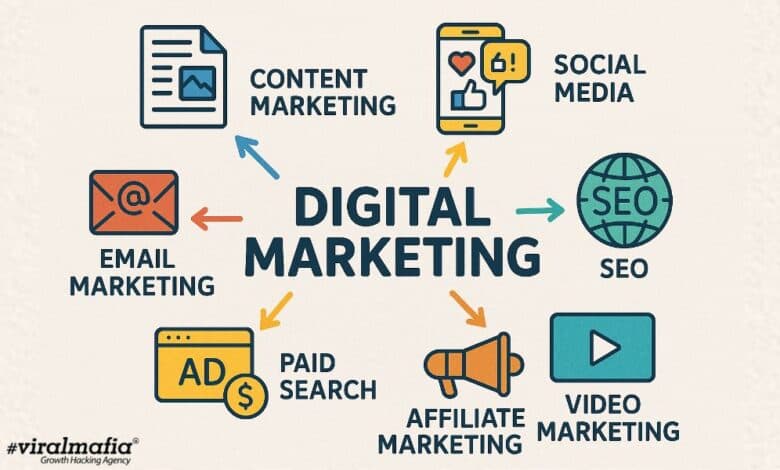
Teams built around keyword lists and paid search alone are going to feel this first. Digital marketing built for AI-era discovery rewards specific, structured content over sheer volume.
That's closer to how AI-driven customer experience work already treats product data for e-commerce clients: as something a model has to be able to parse, not just a human shopper.
YouTube hasn't said when the comparison tables will expand past their initial test group, or which markets get them first. Retailers that wait for that announcement before fixing their video and product content will be reacting to a rollout that's already reached 140 million people once, on a feature that isn't even fully launched yet.
Cover photo by Marcial Comeron on Pexels
Sources
- YouTube Adds Shopping Features To Ask YouTube AI Search — Search Engine Journal
- YouTube doubles down on video shopping with AI-powered 'Ask YouTube' feature — TechCrunch