





















The Justice Department picked a side in the OpenAI copyright case on September 1, 2026. It told a federal judge in Manhattan that training a language model on someone else's writing counts as fair use.
Judge Sidney Stein is overseeing the consolidated litigation in the Southern District of New York. The New York Times, along with a group of book authors and publishers, is fighting over whether AI companies owe a license for the text that trained their models.
At the center of the brief is one argument: blocking AI training would threaten national security and hand a competitive advantage to foreign adversaries. That's according to a detailed review of the filing by technology licensing lawyer Heather Meeker.
It's a striking pivot for a case that started as a fight over journalism royalties and book contracts.
The Legal Argument Behind the OpenAI Copyright Case
Training counts as fair use, the DOJ argued, because a model never reads an article the way a person does. It converts the words into statistical patterns instead of using them for entertainment or information.
That's the same reasoning courts leaned on in Google v. Oracle and the Google Books case, Authors Guild v. Google, according to IPWatchdog's coverage of the filing.
That review also notes the brief cited Bartz v. Anthropic to call training "transformative, spectacularly so." It rejected the market dilution theory publishers have pushed, the idea that a model trained on an author's style floods the market with competing work.
Any harm from what a model actually outputs is a separate question, the government argued, one for the Supreme Court's Warhol test rather than the training question itself.
A Credibility Problem the Government Can't Shake
Associate Attorney General Stanley Woodward Jr. called the filing "a historic statement of the government's position," according to Accelerate IP's account of the brief.
The Times wasn't impressed. Its spokesperson objected to the administration siding with large AI companies over the news organizations and authors whose work trained the systems in the first place.
Meeker's piece adds a detail that complicates the government's claim to neutrality. The Trump administration has reportedly been negotiating an equity stake in OpenAI at the same time its Justice Department argues OpenAI's side of a live lawsuit.
She frames the brief as a potential playbook other AI defendants will cite. But she warns judges could dismiss it on political grounds rather than legal merit, given who's making the argument.
None of that resolves anything yet. A statement of interest carries no binding authority, and Judge Stein still has to rule on the underlying case.
What This Means If Your Content Trains Someone Else's Model

Photo by ClickerHappy on Pexels
Nothing about your legal exposure changes today. The DOJ's position is a request, not a ruling.
A business that publishes anything online, whether that's blog posts, product pages or case studies, is already part of the pool of material these lawsuits are fighting over. That's true whether or not you've ever filed a claim or noticed your work being used.
That's worth planning around now rather than waiting for a verdict. If courts eventually make licensing mandatory, the businesses with leverage will be the ones with an audience and reputation search engines already trust, not the ones hoping a settlement check covers the gap.
Our AI and automation work often starts with exactly that kind of audit: what content you own, what's already been scraped, and where the exposure sits either way.
If training on public content stays legal with no strings attached, the practical response barely changes. Search traffic is already splitting toward AI answers that summarize a page instead of sending a click, a shift covered in how to earn in the AI answer economy.
Either way, treating digital marketing and growth as more than a single search channel is what survives whichever way Judge Stein rules.
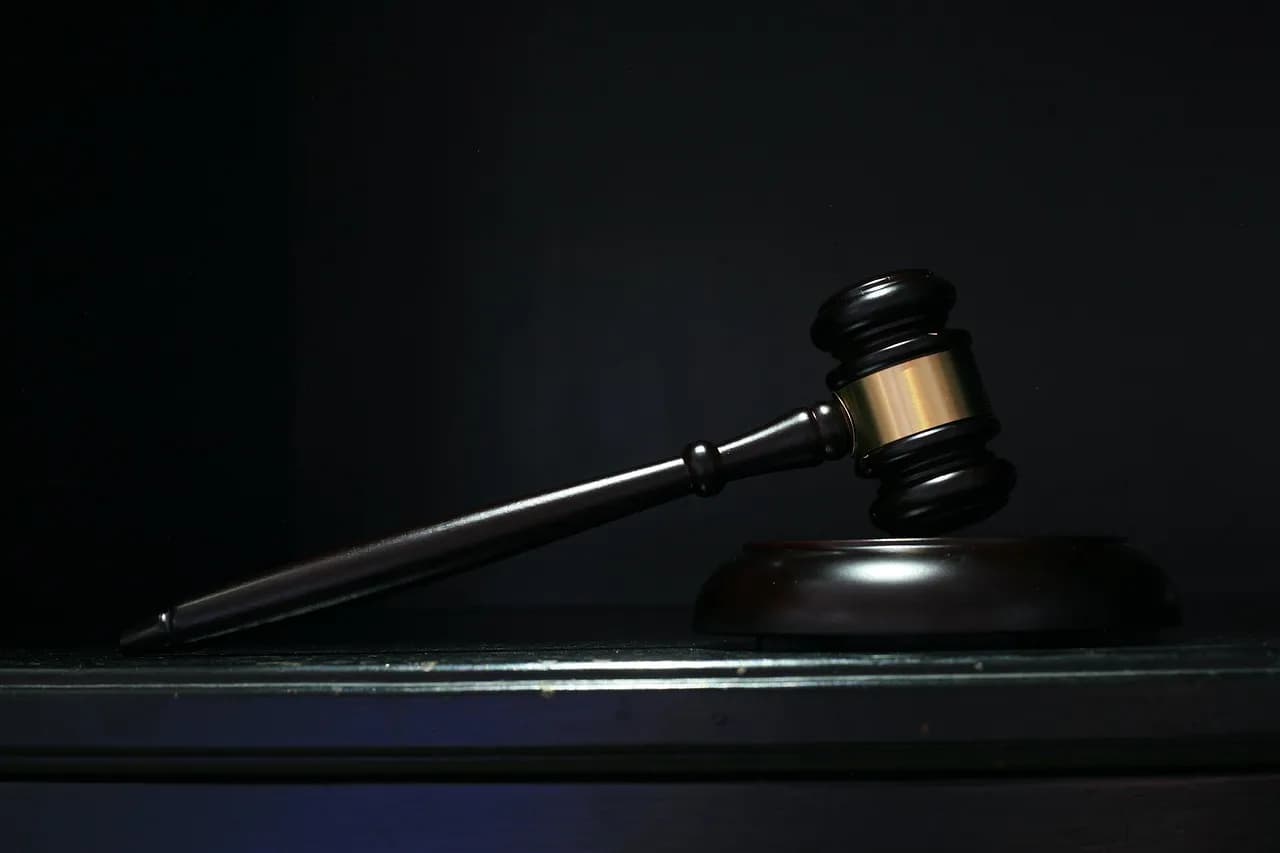
Cover photo by sergeitokmakov on Pixabay