




The SEO agency red flags Middle East businesses run into most are the same ones Google has published for years, just easier to miss inside a market growing this fast.
The region's digital ad market is on track to grow from $10.1 billion in 2025 to $18.5 billion by 2029, according to a February 2026 report from Research and Markets.
That kind of growth pulls in agencies of every quality level, and sorting the ones worth paying from the ones just chasing it takes more than a gut check.
The SEO Agency Red Flags Middle East Buyers Overlook
Google's own guidance for hiring an SEO, last updated in June 2026, is blunt about the biggest one: "No one can guarantee a #1 ranking," it states.
It goes on to name the tactics behind that promise: claiming a special relationship with Google, submitting your site to thousands of directories, or building what it calls "link popularity schemes."
Secrecy is its own tell. The same guidance says to be careful if a company won't clearly explain what it intends to do with your site, since a firm confident in its own work has no reason to keep the details vague.
A few specific things worth watching for:
- Guaranteed rankings or a claimed "special relationship" with Google
- Link schemes or mass submissions to search directories
- Vague or secretive answers about what work is actually being done
- Unsolicited outreach promising to fix your rankings out of nowhere
None of these are unique to the Middle East. The region just raises the stakes in a way a generic pitch can't cover.
Why the Middle East Raises the Stakes
Google handles 95.8% of search traffic in the United Arab Emirates, according to StatCounter's August 2026 data. There's no second search engine carrying meaningful share to fall back on if an agency's shortcuts get a site penalized.
The region also complicates the work itself.
Research and Markets notes that Arabic dialect diversity and cultural nuances across GCC and Levant markets are reshaping how campaigns get built, with agencies now producing dialect-specific creative rather than one Arabic template reused from Riyadh to Amman.
An agency offering the same Arabic SEO package for every market it serves is making the one-size-fits-all mistake Google warns about, just dressed in a regional wrapper.
What to Ask Before You Sign

One practical safeguard is simple. Ask for read-only access to Search Console during any audit, rather than handing over full control up front, and ask directly whether the agency or its past clients have ever been penalized.
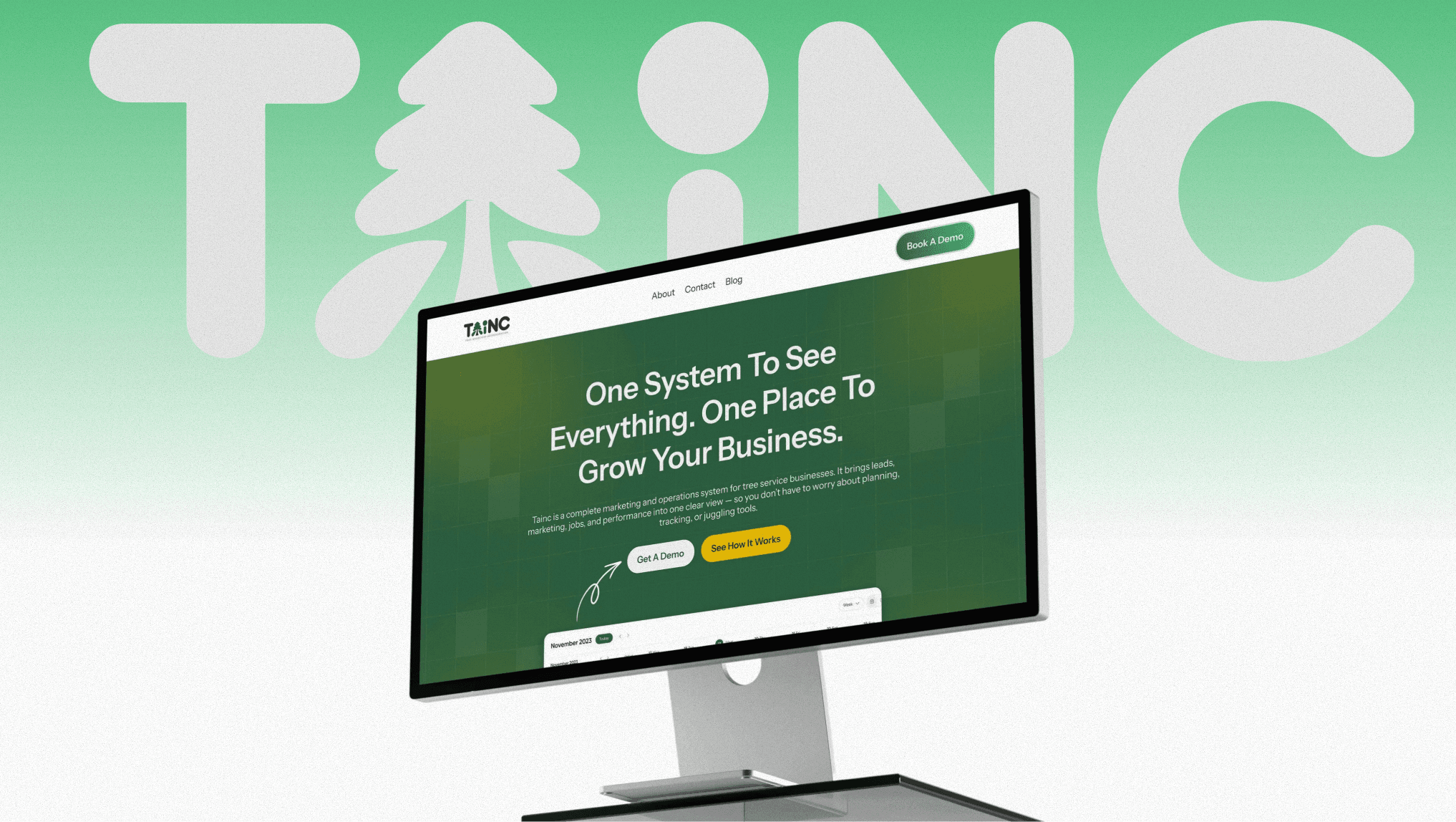
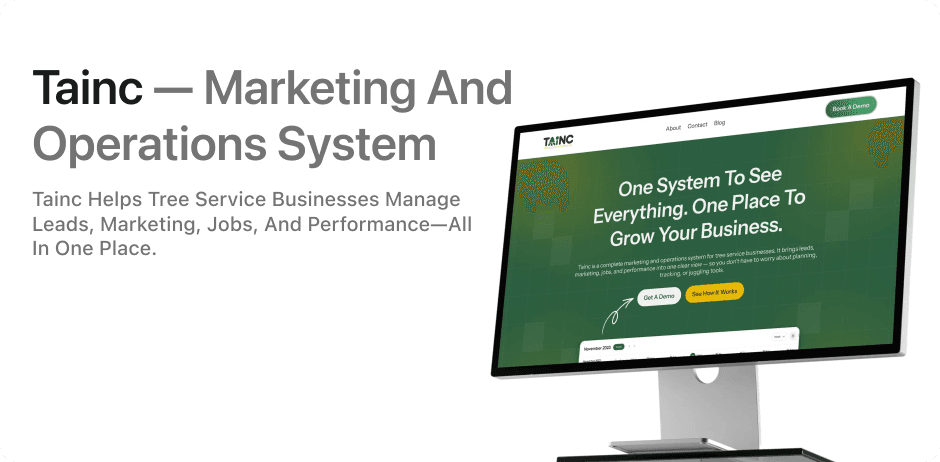
Real evidence beats a pitch deck. A firm that can walk you through a documented case study, like the growth platform we built for a tree service network, gives you something to check rather than something to take on faith.
The same goes for technical claims. A site migration is one of the riskiest moments for search visibility, since broken redirects and rebuilt URL structures can undo months of ranking work in days.
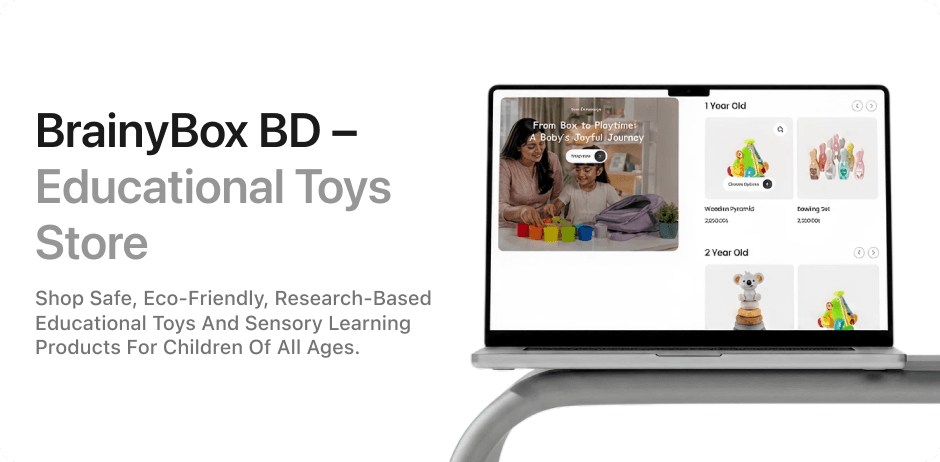
Ask exactly how the agency protects what's already ranking, the way redirect mapping gets treated as part of the build in our own web and e-commerce work rather than an afterthought.
Watch for the same vagueness dressed up as innovation, too. An agency leaning on "AI-optimized content" without explaining what that means in practice is asking for the same trust Google warns against, just with newer vocabulary.
What separates real AI and automation work from a buzzword is whether someone can explain the process, not whether the pitch uses the word.
Whether you run search in-house or bring in outside digital marketing and growth support, the questions above are the ones worth asking before anything gets signed.
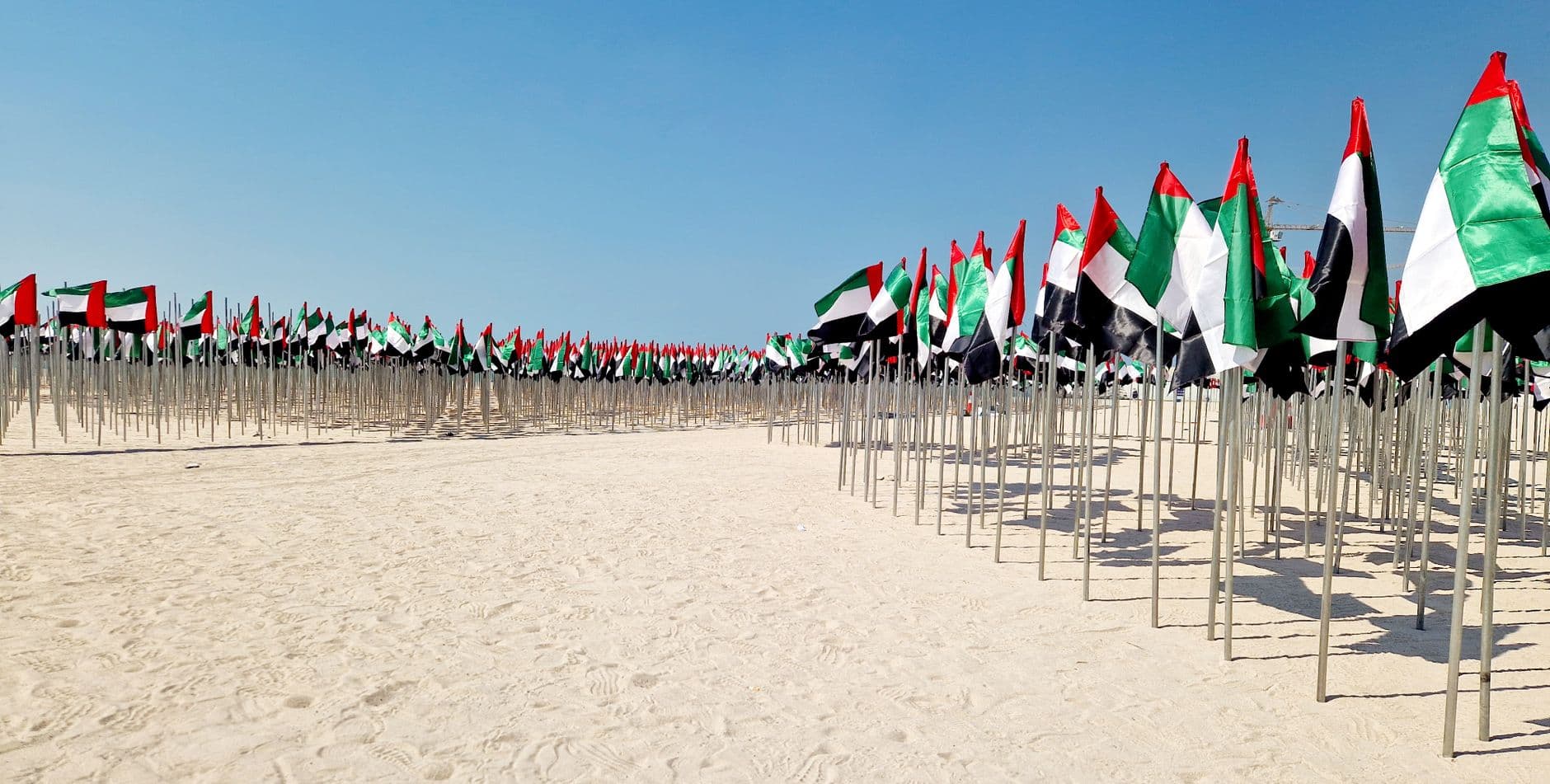
Cover photo by Milan Kiro on Pexels
Sources
- Do You Need an SEO? Tips for Hiring an SEO — Google Search Central
- Middle East Digital Ad Spend Business Report 2026 — Research and Markets