








Understanding SAAS in Today's Market
Launching a SaaS product involves much more than writing code. Teams that start building without checking if their idea solves a real user problem waste time and money. Most early SaaS failures are not about technology. They happen when companies spend resources before proving anyone will pay or even use what they create.
If you validate demand before building, you can save months and avoid spending tens of thousands on work that leads nowhere. It is worth slowing down at first. That caution pays off later.
What Is an MVP?
An MVP, or minimum viable product, is the smallest working version of your product that lets you test one real experiment with users. It is not just a lighter version of the end goal.
A real MVP lets users do the main job completely, even if some parts work by hand in the background. If people cannot finish the core task from start to end, you have not built an MVP.
Think of it as the step between a quick Figma demo (which does not count) and a full-featured beta (which is often too big at first).
You should start by stating your hypothesis: for example, "We think [user] will [do X] for [this reason], and we will know it works if [signal] appears within [timeframe]." Any extra feature that does not fit this direct experiment only adds cost and distracts from learning.
You must still meet security or compliance needs, especially in healthcare or fintech. But adding more than what your experiment needs will hurt you now and later.
SAAS App Development: What to Expect
The process follows these same rules after building starts. Teams can lose focus easily and feature creep happens when roles are unclear. Most early SaaS builds need at least one full-stack developer. Often there is support from a UI/UX designer, and sometimes basic DevOps help.
The best team matches what must ship right away. Do not hire to fill some imagined headcount target. At launch, scope should include off-the-shelf authentication, only features linked directly to your core job-to-be-done, and simple analytics to track usage.
Payments are needed only if testing them now matters for your first goal. Leave reporting dashboards or integrations until users show they care about them.
Development Cost Benchmarks for SaaS
Cost weighs heavily for founders making early versions. According to BuzzNoon's Software Development Cost Guide 2026, hiring experienced North American developers usually puts basic internal tools or booking systems between $30,000 and $80,000. More demanding builds, like marketplaces or large SaaS platforms, move quickly into six figures when you add custom requirements or complex integrations.
If you want control over cost, focus less on developer rates and more on deciding what truly matters in your first build. Cutting non-essential features lowers upfront spend and lets you learn faster while saving budget for later changes that matter more.
Ongoing maintenance is not free. Plan to spend 15-25% of your initial build cost each year so infrastructure bills or support needs do not catch you by surprise.
What Makes a Team Affordable? Sourcing Your Tech Talent
You need more than offshore hiring to keep developer costs affordable. Value comes from matching skills to what matters right now, without slowing delivery or losing accountability along the way.
Small teams, five people or fewer, that share ownership move much faster than big groups with scattered goals.
Remote squads in Southeast Asia typically run $18,000–$29,000 per month for five people, including pay, benefits, local compliance costs, and all tools needed to deliver production-ready code (see Second Talent's regional breakdown). That is more than 65% less than equivalent US-based teams.
As global hiring platforms improve, quality differences have shrunk; usually management overhead is now the bigger risk instead of code quality itself.
An Inexpensive Path: Validating with Free MVP Techniques

A "free MVP" does not mean launching production software without any investment. It means running tests nearly free before coding anything substantial.
Buffer famously validated its SaaS idea using two web pages: one landing page explaining scheduled tweets and another showing pricing options, even though no working software existed yet (Buffer MVP case study).
They got paying customers within four days this way before any coding began.
This approach works because it keeps risk low while you get real signals from the market before spending on development or infrastructure.
Affordable Tech Team Formation: Building for Speed Without Waste
If you want to build fast with limited funds but keep product quality high:
Document everything early, spend time clarifying product scope and architecture at the start; this saves months later as you grow.
Add developers slowly as bottlenecks appear; do not try to staff up an entire department on day one.
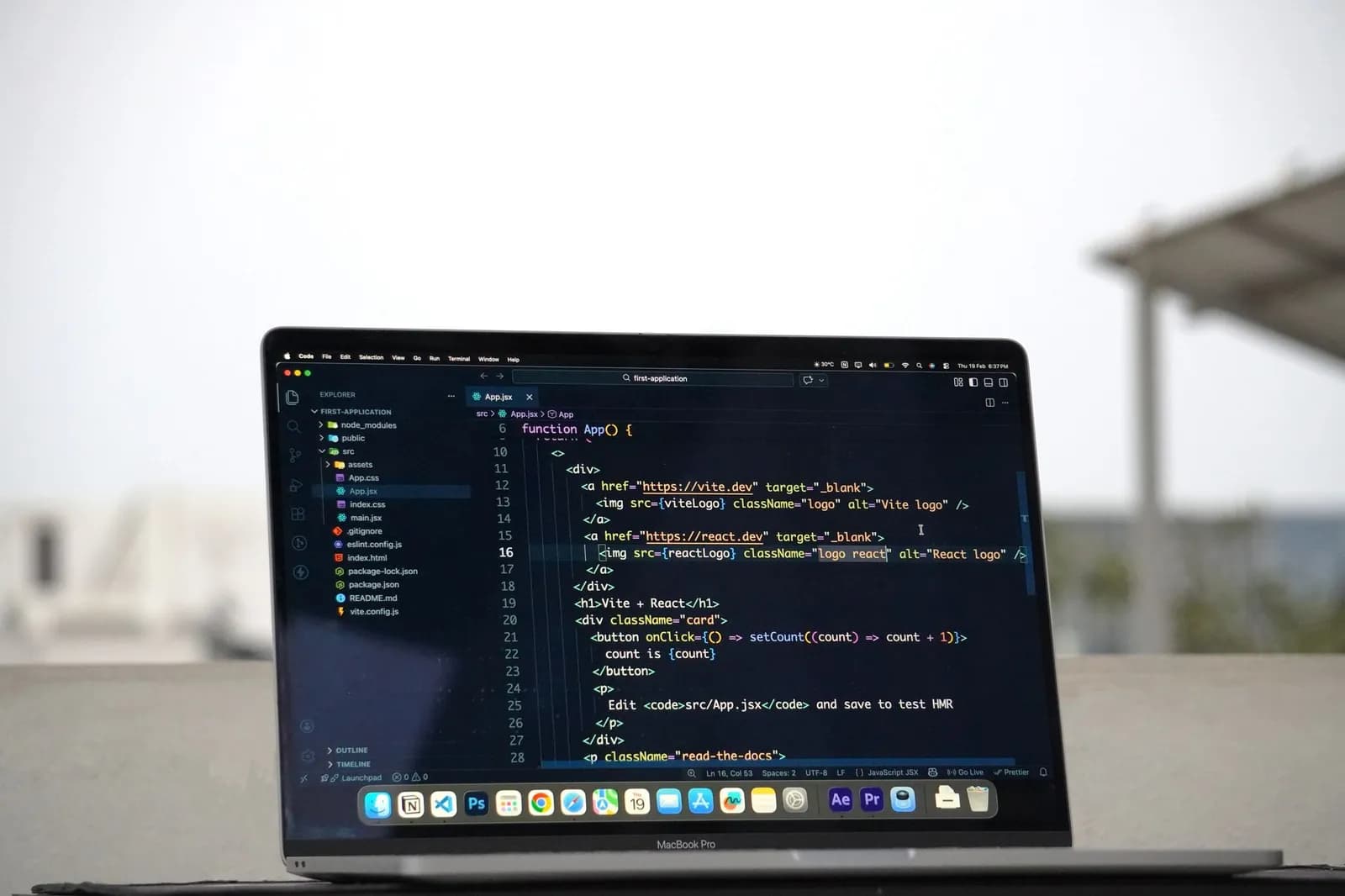
Pick popular stacks like React/Node.js/PostgreSQL; these are easy to hire for worldwide and support rapid changes without adding technical debt.
A two-founder startup grew from two engineers up to eight over four months by scaling gradually, cutting time-to-feature by over 35% compared with their pre-expansion pace (AI agent startup case studies). They spent a week on documentation at the start but saw benefits every time a new person joined after that.
MVP Approaches That Minimise Development Cost
The best route for many founders starts with low-code tools where possible, just enough tech to check that users care about the problem, and only moves toward custom builds once there is evidence worth spending more on development. Simple landing pages plus direct outreach still beat heavy up-front builds for risk management at seed stage (Buffer example again).
Pilot with minimal staff, a single full-stack engineer plus some UI/UX help covers most early builds;
Shed any requirement outside your main learning objective ("will users do X?");
Treat maintenance as ongoing work, not something you can put off, so budget time after launch as well; do not assume version one means you can let go of your tech team after shipping;
The closer each phase sticks to measurable learning goals, instead of arbitrary milestones or "feature parity", the more control you have over both timing and spending.
The Myth (and Limits) of Inexpensive & Free MVPs
No-code platforms might claim "free" prototypes but rarely help startups grow past pilot experiments without cost or risk trade-offs returning through vendor lock-in or limited extensibility. Affordability comes from smart sequencing (validate then build), disciplined scoping (single-path workflows), and using flexible hiring rather than hoping fully zero-cost launches exist.
If You Want Your SaaS Product To Last...
Pace yourself through validation before starting app development, and remember that minimizing unnecessary cost depends less on squeezing rates than on honestly deciding what must be built now versus what can wait. For more detail on managing spending as you grow, or how your numbers compare with other top-performing SaaS companies, see the latest industry benchmarks from SaasRise.
Sources
The Economics Of Nearly Free — industrialeconomist.com
The 2026 SaaS Benchmarks Report — saasrise.com