




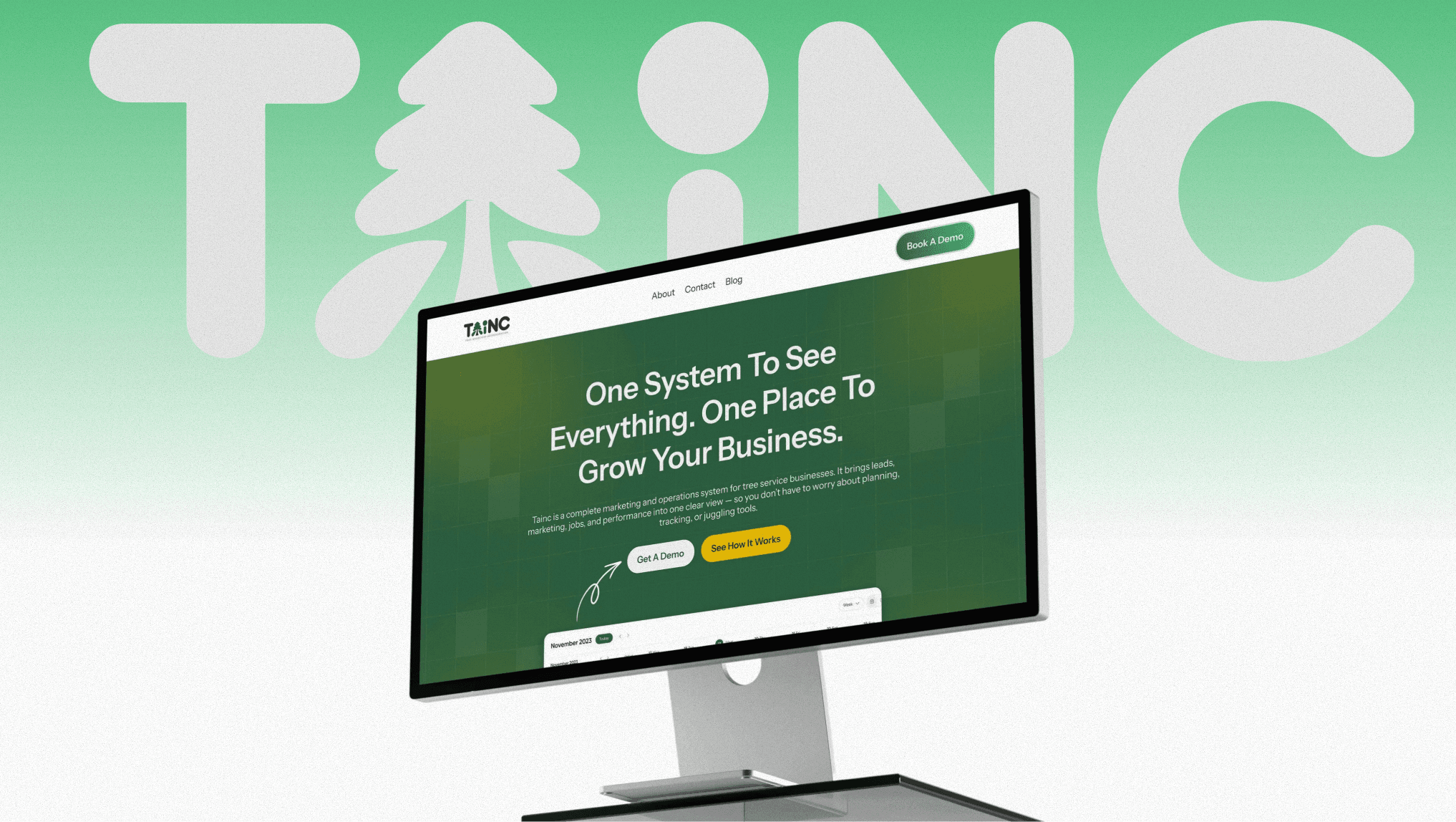
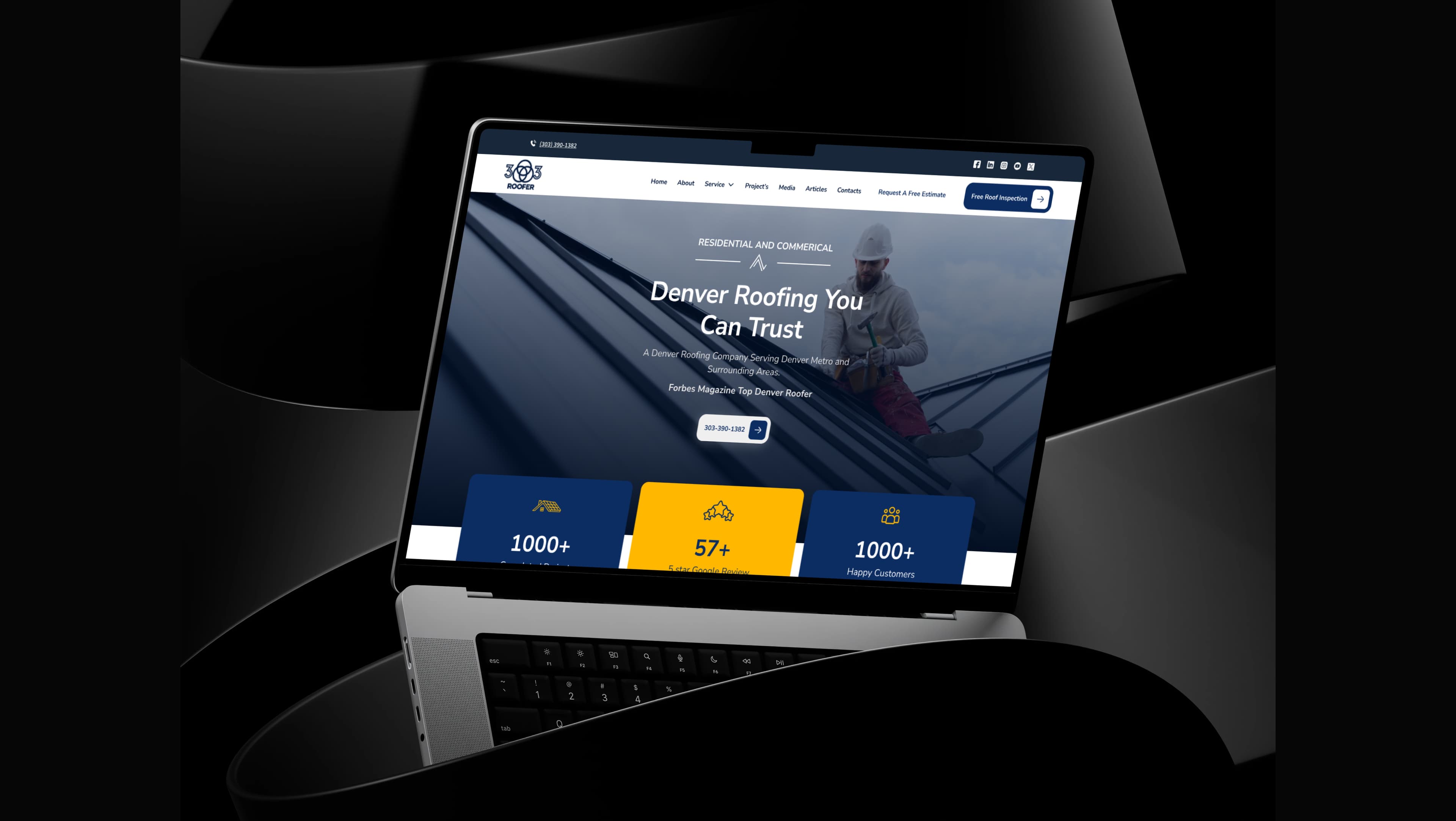

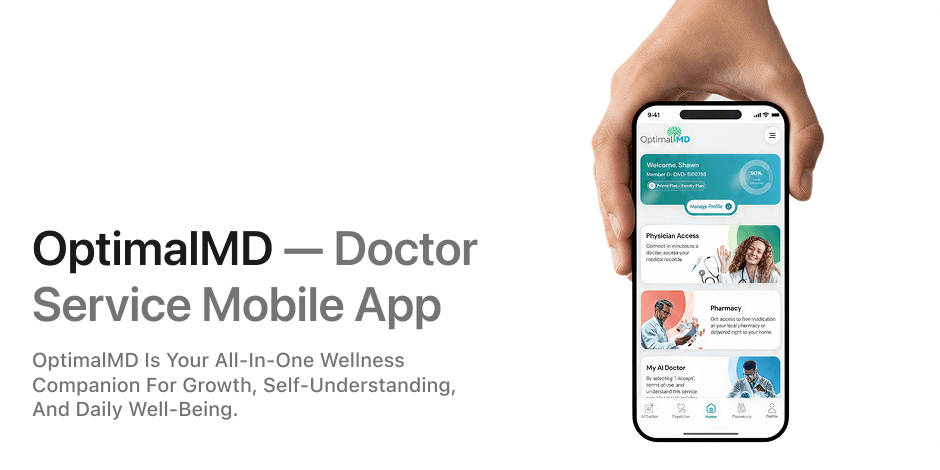
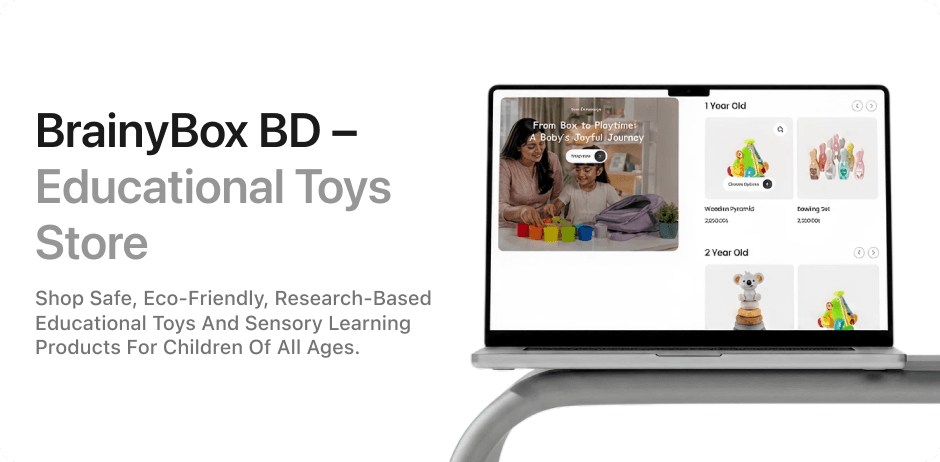



In the era of digital products and SaaS, a full-stack development company is a partner that builds entire digital experiences end-to-end. For businesses that want a single team to design, build, and run web and mobile products, a full-stack firm can be the ultimate solution. A full-stack development company removes friction, speeds time-to-market, and keeps product decisions coherent across the stack.
Below, I explain exactly what a full-stack development company does, how it benefits businesses, and summarize what developers and buyers discuss on forums like Reddit and Stack Overflow - so you get a grounded, conversation-driven view that few marketing blogs deliver.
What “full-stack” actually means
“Full-stack” means the capability to deliver both client-side experiences (UI, front-end frameworks, accessibility, responsive design) and server-side systems (APIs, databases, authentication, infrastructure), plus the glue that connects them (CI/CD, observability, caching, security). In practice, a full-stack company can take an idea from prototype to production and then operate it.
What a full-stack development company does (step-by-step)
Discovery & architecture - Business requirements are translated into system diagrams, tech stacks, and an implementation roadmap.
Design & front-end engineering - UX, accessibility, and component libraries that ensure consistency across screens.
Back-end engineering - APIs, databases, business logic, integrations with CRMs/payment gateways, and scaling strategies.
DevOps & deployment - CI/CD pipelines, automated testing, monitoring, and cloud infrastructure.
QA, performance tuning & security - Load testing, vulnerability scanning, and performance budgets.
Post-launch maintenance & iteration - Feature sprints, analytics-driven improvements, and incident response.
A company that offers all these services prevents handoff losses (design vs engineering vs ops), and that continuity is where most ROI comes from. Community discussions repeatedly emphasize that the ability to own the whole lifecycle is the main advantage of full-stack teams.
How this benefits businesses (concrete wins)
Faster time-to-market: fewer vendor handoffs, unified priorities, and integrated testing shorten delivery cycles.
Lower long-term cost: consistent architecture avoids tech debt caused by mismatched stacks.
Higher product quality: front-end and back-end teams aligned on the same architecture reduce bugs and UX regressions.
Better scalability: a company that controls both sides can tune the whole system (caching, database sharding, edge rendering) for predictable growth.
One accountable partner: simplified communication makes it easier for executives to manage the roadmap and outcomes.
These are not theoretical - engineers on forums repeatedly point to the operational advantages of owning both client and server concerns, which translates into fewer surprises for business stakeholders.
What people ask (Reddit, Stack Overflow, Quora): the real concerns
Scanning developer communities shows three recurring themes:
“What qualifies as full-stack?” - Some argue it’s breadth, others say it’s owning a whole product from UI to infra. Both views show why businesses should vet portfolios, not labels.
“Can one team do it all well?” - Context switching and depth vs breadth are real tradeoffs; good companies staff specialists across layers to avoid shallow implementations.
“How future-proof is the stack?” - Buyers worry about maintainability; top firms document architecture and automate tests so new features don’t break the product. Community threads emphasize code quality and operational maturity as the deciding factors.
A unique, actionable piece most blogs miss
When selecting a full-stack partner, ask for a “stack trace report,” a one-page diagram that shows how a user action (e.g., “request demo”) travels from front-end to database to third-party service and back. If a vendor can’t produce this quickly, odds are they haven’t fully thought through failure modes, performance, or cost - and that’s where projects fail after launch.
Why Octopi Digital?
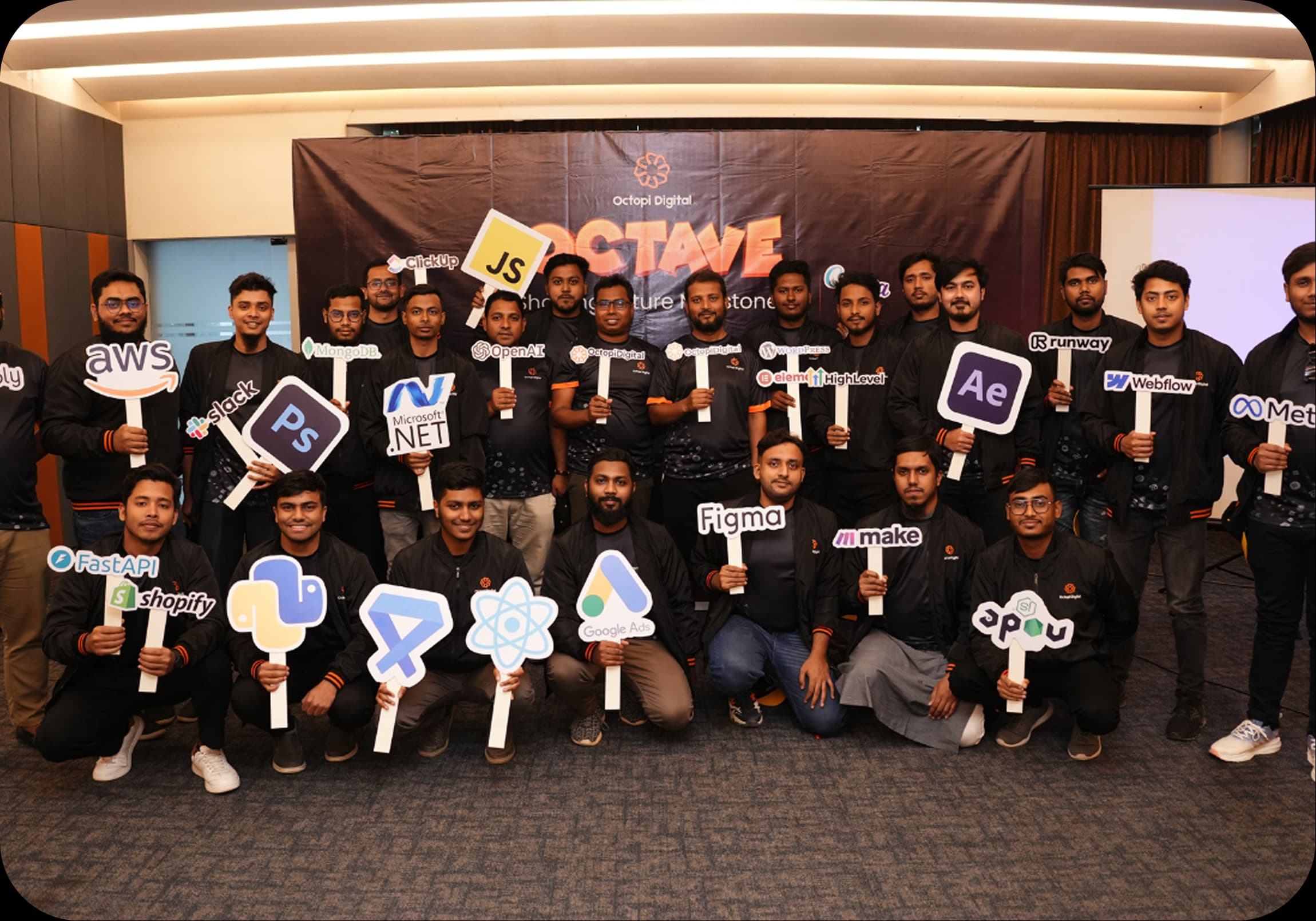
At Octopi Digital, we build robust, maintainable, and user-focused products that cover the full stack - from design systems to resilient back-ends, integrations, and production operations. We deliver the end-to-end clarity businesses need to scale without surprises. Visit https://octopi-digital.com/ to learn how we can turn your idea into a production-grade product with accountable, full-stack ownership.