

















Why Law Firm Google Maps Ranking Matters
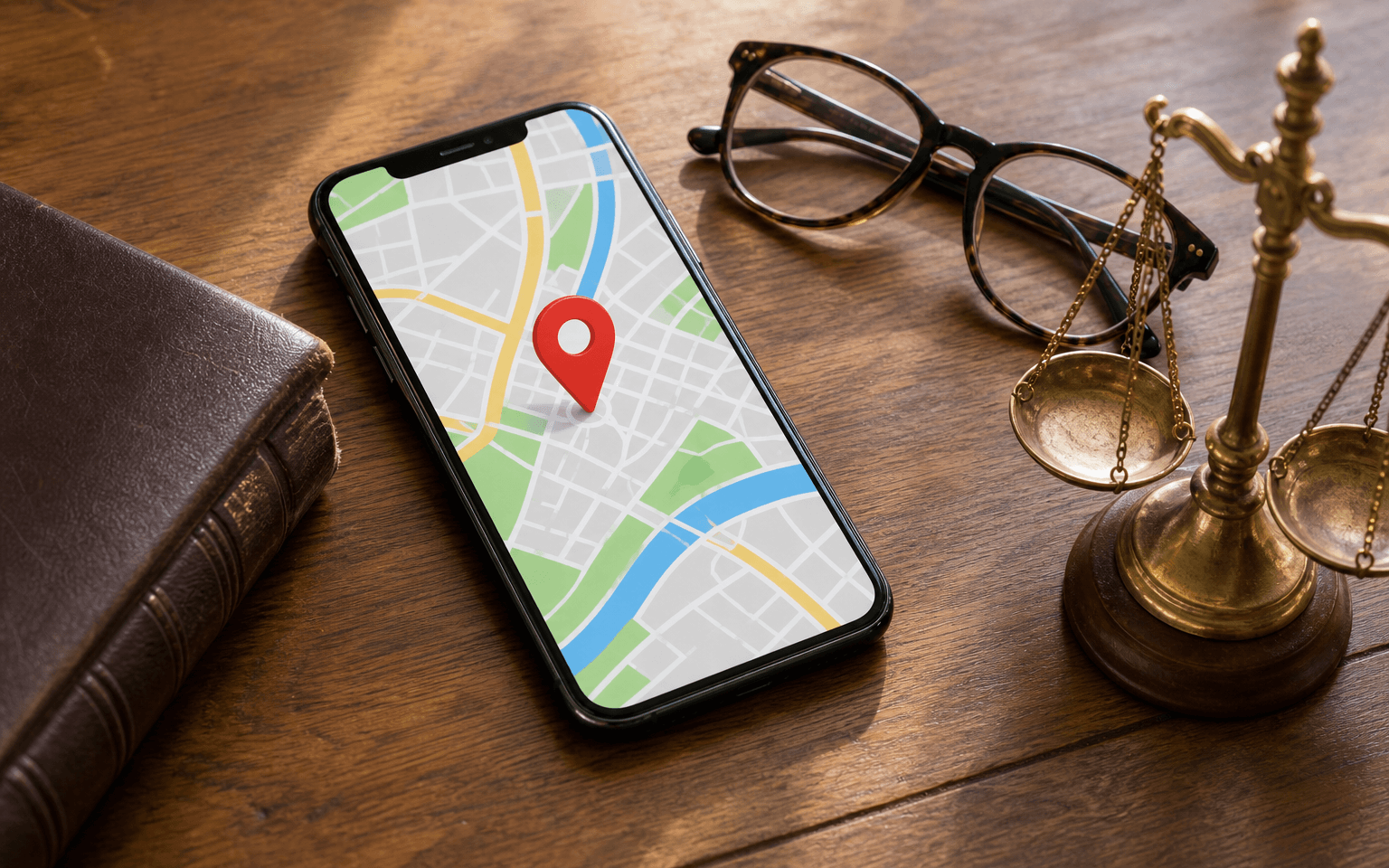
Most people who need a lawyer rarely begin with law firm websites. Instead, they open Google Maps. For searches like “personal injury attorney near me,” Google always puts three firms at the top, right above any regular website link and well before any others are seen. Those three get nearly all the calls and visits that matter most.
Everyone else barely gets noticed. According to LawShift, more than 70% of high-intent local searches display Google Maps listings before organic website results appear. Nearly everyone chooses from those first three in the Map Pack. If you rank there, you see steady new clients arrive. Miss it and your intake falls quickly.
Understanding Legal Local SEO Google Maps
Legal local SEO for Google Maps uses different rules than standard website SEO does. While regular rankings reward strong content and domain authority, maps follow proximity, relevance, and prominence instead.
You cannot adjust proximity by moving your office's address at will, but you can shape relevance by picking accurate categories, writing hyperlocal content, and keeping your Google Business Profile (GBP) updated with the services you actually offer every day. Prominence depends on signals such as consistent reviews, correct citations in legal directories, and a GBP that's truly complete.
If you have multiple offices, set up a GBP page for each one. Give each location its own phone number too. Build reviews that describe real client experiences at each site, not just a list of branch addresses.
How to Rank Law Firm on Google Maps: Beyond the Basics
If your aim is to stand out on Google Maps, start by completing your GBP profile in full.
First claim your listing; then fill in everything: your name (without keyword stuffing), choose a specific category such as “Personal Injury Attorney,” add business hours and a local phone number, include actual photos of your office sign or team, and upload images showing where clients arrive for visits.
The value isn't having hundreds of directory listings everywhere; accuracy matters far more. Your business name, address, and phone number must match exactly in every location, right down to the last digit, or you'll lose authority with Google.
Your website's location pages should go further by embedding maps and providing details unique to each city you serve. Include directions from major landmarks or local courts nearby. Add testimonials only from that city's clients. Use LegalService schema markup so every page sends a clear signal about its focus.
One study in the legal field found hyperlocal pages, custom content about practice areas and staff at each location, perform far better than generic templates reused across many cities.
Personal Injury Attorney Google Map Pack Optimisation: What Actually Works
The personal injury market stays crowded year-round. Top firms pour resources into their GBP profiles; nearly 90% post updates there regularly to stay ahead of rivals. According to Constellate Research's March 2026 survey of more than 300 law firms in mid-size US markets, these top practices average four times as many reviews as those ranked lower down.
The study found something striking: all top performers posted weekly on their GBP profiles without fail but none of the lowest-ranking competitors posted anything at all for months at a time.
Leading firms also kept their GBP details nearly complete, reaching an average score of 83.7 out of 100, and used continuous review requests so client feedback stayed fresh every week.
This matches other findings too: posting short updates every week with photos or current offers increases both client interest and visibility inside Google's ranking systems. A steady stream of new reviews is strongly tied to higher Map Pack positions.
Local SEO for Law Firms: Current Ranking Factors That Move the Needle
Proximity weighs heavily right now: since recent algorithm changes hit law firms hard, most only show up for searches near their office unless they've added extra locations or published unique content targeted at each service area around them.
Review recency now outranks total count: getting three to five fresh reviews each month is far better than resting on old ones, no matter how impressive past totals look on paper.
Citation consistency still matters most: if NAP data isn't identical between major directories like Avvo or FindLaw, even off by one letter. You'll see poor local SEO results regardless of effort elsewhere.
A complete GBP is not optional: fill out every detail (category choices, high-quality photos taken onsite, Q&A answers unique to your work), update holiday hours as needed, describe precisely what you do where you do it, and do it for each branch individually.
User engagement counts too: answer questions sent through GBP promptly or respond quickly to reviews; this shows your business is active today, and it lifts trust signals inside Google's formulas as well.
An added factor is schema markup linking practice area pages directly to relevant queries online, this structured data helps both regular search engines and AI-powered tools match your firm's content more reliably than competitors who skip those technical steps entirely.
The Role of Reviews in Law Firm Google Maps Ranking
The influence reviews have on rankings isn't always simple or direct. While top spots usually remain stable even when average ratings or review volumes fluctuate slightly from month to month, research shows breaking into a truly outstanding score range (4.8–5.0) can lock those high-visibility positions down long-term better than almost anything else available today.
Losing just a tenth off this average can make those placements unstable even if review count creeps up slightly. That's how fragile position can be.
You need an ongoing system that asks clients automatically for feedback after positive milestones are reached, this isn't only about adding more numbers but also ensuring new reviews keep coming so freshness becomes part of what signals trust to Google's system again and again.
The AI Impact: Legal Local SEO Beyond Traditional Search
The same signals driving Map Pack success now matter for AI-driven search features too because technology pulls data from similar sources regardless of who is asking the question or what tool they're using to find it locally.
A law firm optimised for Google Maps, via complete GBP management, sharply focused branch-level practice area pages, frequent new reviews, is much likelier to appear at the top when AI assistants like ChatGPT or Perplexity make recommendations nearby.
This means time spent improving map rank pays off twice over, not only will you get more enquiries now from ordinary searchers but future-proofed visibility as referrals from AI-driven results grow year after year.
Pitfalls That Undermine Legal Local SEO on Google Maps
If there is one way to lose ground fast it's inconsistency or shortcuts such as half-completed GBPs, mismatched addresses or phone numbers online everywhere clients look today, neglected review requests that never go out after cases end well, or city pages copied everywhere without unique content per branch showing who really works where.
Avoid posting photos unrelated to each physical location too; avoid virtual addresses no one staffs during office hours because both are penalised harshly now after recent updates.
Avoid thin city pages copied across areas without real details; today Google pushes these far down especially for lawyers with multiple offices serving different communities.
Focus on building deep content unique to every branch instead: name attorneys based there directly; add info about local courts nearby; use testimonials from clients served at each site, and support these claims with structured data whenever possible.
Sources
Local SEO for Law Firms: AI-Powered Google Maps Rankings — lawshift.ai
Local SEO for Law Firms: The Complete Playbook — legalpracticemarketing.com