








Front desks at dental and medical practices are running short-staffed more than most patients ever notice. A 2025 workforce survey by remote-staffing firm Edge, reported by Oral Health Group, put the industry's lost revenue from missed chair-time at up to $3.1 billion a year.
Figuring out which dental practice tasks to automate first, instead of trying to fix everything at once, is what actually moves that number.
Why the Front Desk Runs Out of Hours
The same survey found administrative turnover running above 38% a year at the typical practice. Filling an open front-desk seat takes weeks, and scheduling errors pile up in the meantime, eating into chair-time that's already tight.
Automation here doesn't replace the front desk. It keeps the schedule and the paperwork moving while a seat sits empty or a new hire gets trained.
How We'd Prioritize the Dental Practice Tasks to Automate
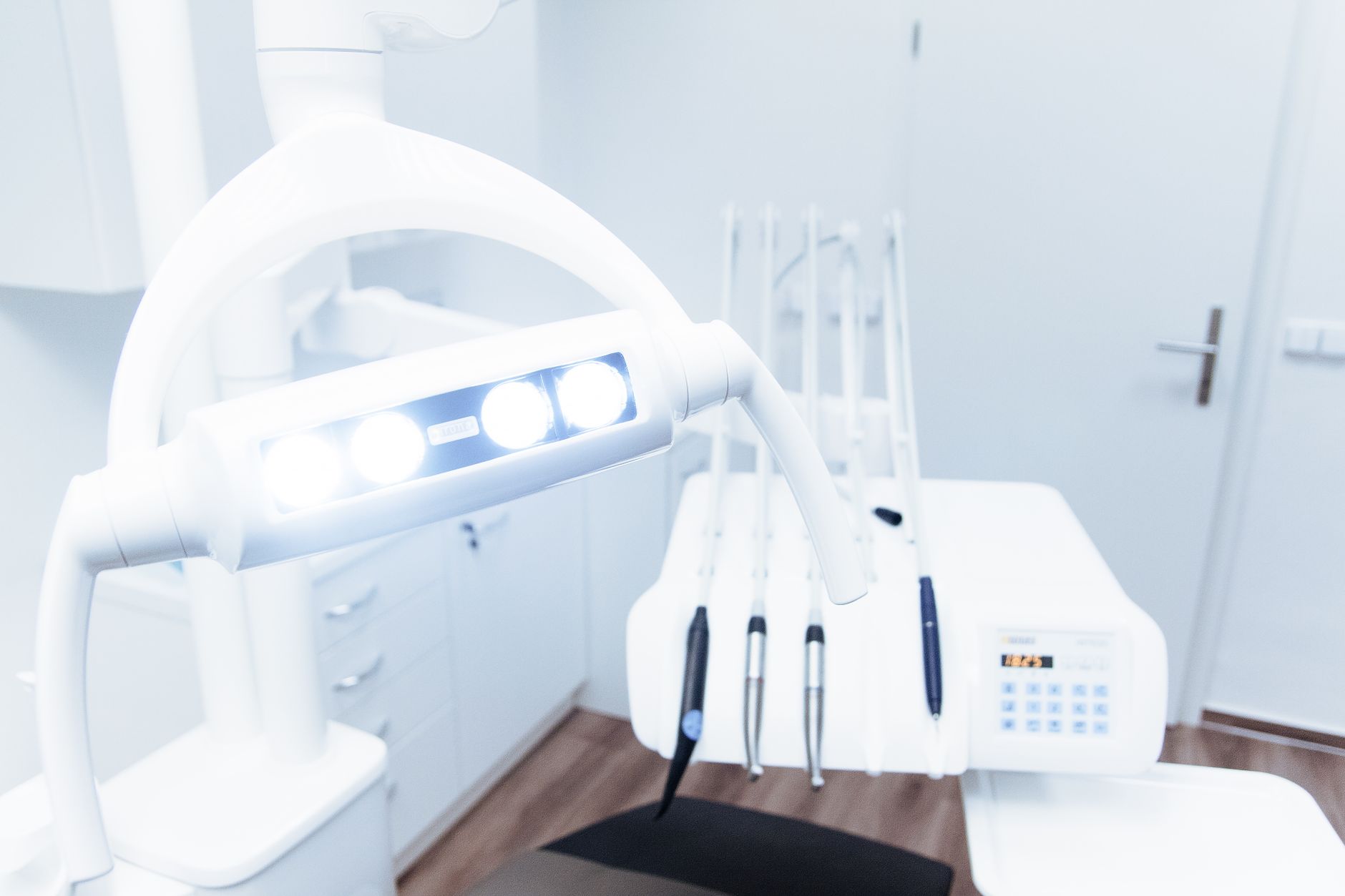
Photo by Daniel Frank on Pexels
Not every task is worth fixing first. Start with the ones that touch revenue directly and don't need a dentist's judgment call, in roughly this order:
- Appointment reminders and no-show follow-up
- Insurance eligibility checks before every visit
- Recall and recare scheduling
- New-patient intake and consent paperwork
- Billing reminders and claim status follow-up
Appointment Reminders and No-Show Follow-Up
A study by Sesame Communications, covered in Dental Tribune, followed dental practices using automated appointment reminders over five years. No-shows dropped by 22.95% once the reminders went live, and production rose by tens of thousands of dollars as a result.
Setting up an automated reminder sequence is usually the fastest win on this list. Most practice management software already in use can trigger it without new hardware.
Insurance Eligibility Checks Before Every Visit
The American Dental Association recommends checking eligibility on the date of service itself, not just at booking, because payer portals and call centers often lag behind changes like a layoff or a shift to part-time hours. That's a same-day check somebody has to run for every patient on the schedule.
Wiring that check into the scheduling software so it runs overnight and flags anything that changed is the kind of integration our apps and SaaS work for healthcare clients usually starts with.
Recall and Recare Scheduling
Only 60% of dentists say they have an adequate number of hygienists on staff, and 91% of those actively recruiting call it very or extremely challenging, according to the ADA Health Policy Institute's April 2026 data. Fewer hygiene hours make a recall backlog expensive fast.
Automating the recall list so overdue patients get contacted the moment they're due, rather than whenever someone has a free hour, protects a hygiene schedule that's already stretched thin.
It's patient-retention work as much as scheduling. That's why we usually pair it with growth and retention work instead of treating it as a pure calendar fix.
New-Patient Intake and Consent Paperwork
The same 2025 workforce survey found that only 23% of applicants for dental administrative roles had any prior HIPAA or privacy training. Handing a brand-new hire a stack of intake and consent forms to process by hand is a compliance risk as much as a time sink.
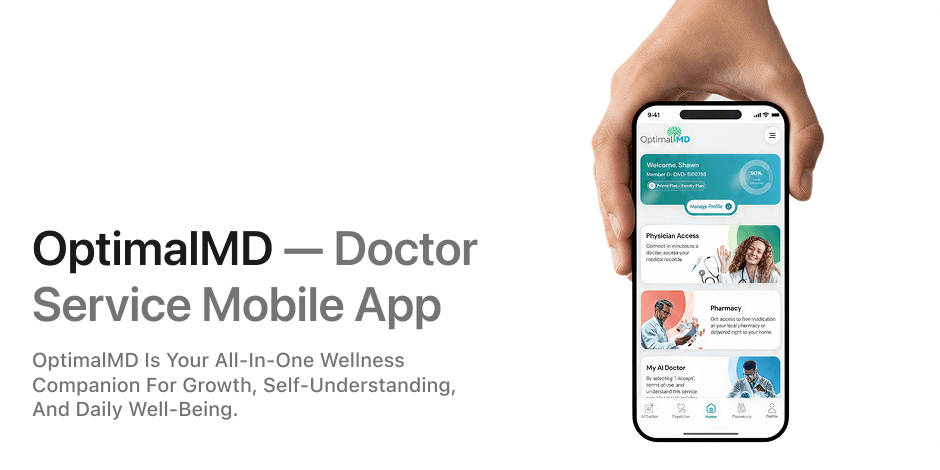
Digital intake forms that route straight into the patient record cut out that manual re-entry. That's part of what went into the accessible patient-facing tools we built for OptimalMD.
Billing Reminders and Claim Status Follow-Up
Billing doesn't stop being urgent just because the person who understood a patient's payment plan gave notice. With administrative turnover running above a third of staff a year, a claim or a payment plan sitting in one person's head is a liability on its own.
Automated payment reminders and claim-status checks keep that work moving even during the weeks the front desk is short a person, and that's usually most weeks. Start with whichever of these five is costing the most hours right now, not all five at once.
Cover photo by Andrea Piacquadio on Pexels